✧ PORT/FOLIO v2 — NOW WITH GIFS AND VIDEOS ✧ SCROLL AND EXPLORE ✧ BEST VIEWED IN INTERNET EXPLORER ✧ PORT/FOLIO v2 — NOW WITH GIFS AND VIDEOS ✧
💿WOW!!!!NEWHANDMADE HTMLSIGN THE GUESTBOOK
● portfolio.exe — running...
PORTFOLYO
Duru Beste Sakav2.0port_folio.exe — 2026
VISITOR: 003417new! gifs + videos added
SPECTACULAR
✦✧✦
🎬hello!
Me, briefly.
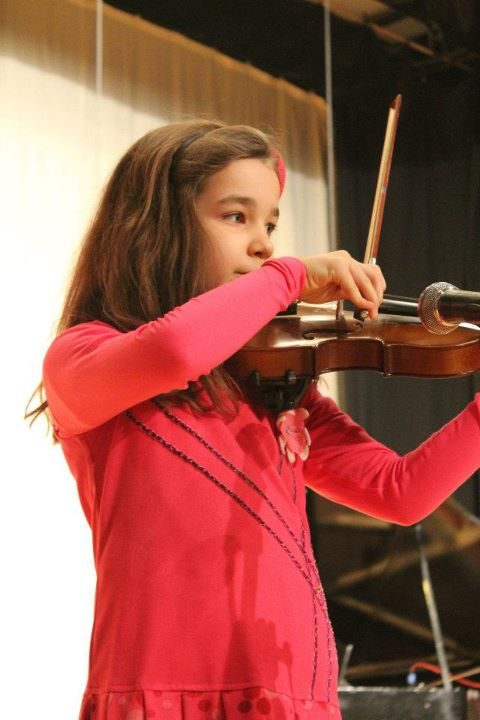
iconic since 2004
minnie me 🐭
2026 grad 🎓
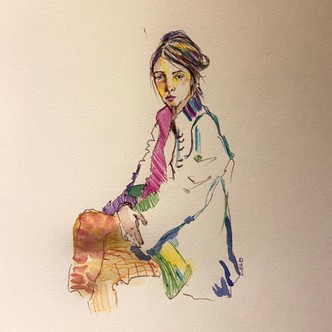
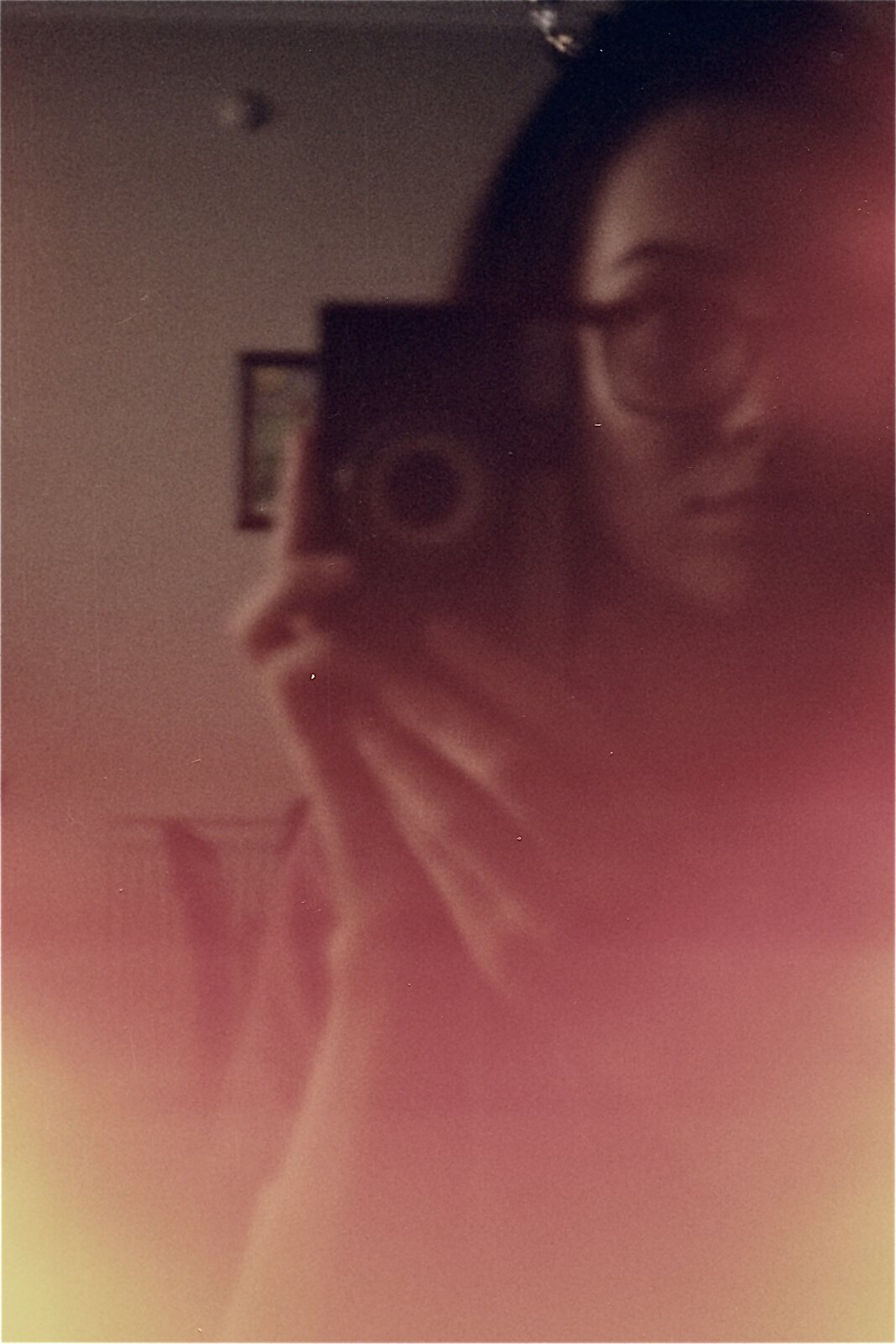
self-portrait
I graduated in advertising from Ege University in 2026. I have loved making and creating things since I was little, but I am still someone who wonders what she will become. I never figured out the meaning of life; I just admire people who can explain it without letting on that they haven't either. My biggest dream is to interview people the way Philomena Cunk does. I love David Lynch, I have watched Eraserhead 20 times, and I am frankly devoted. I am from Izmir and I love boyoz, which for me is a matter of identity. I vibe coded this page with Claude. I am not a big fan of data centers, yet Anthropic's philosophy seems to suit me. In the end, a well-told lie will always be more convincing to me than a badly told truth.
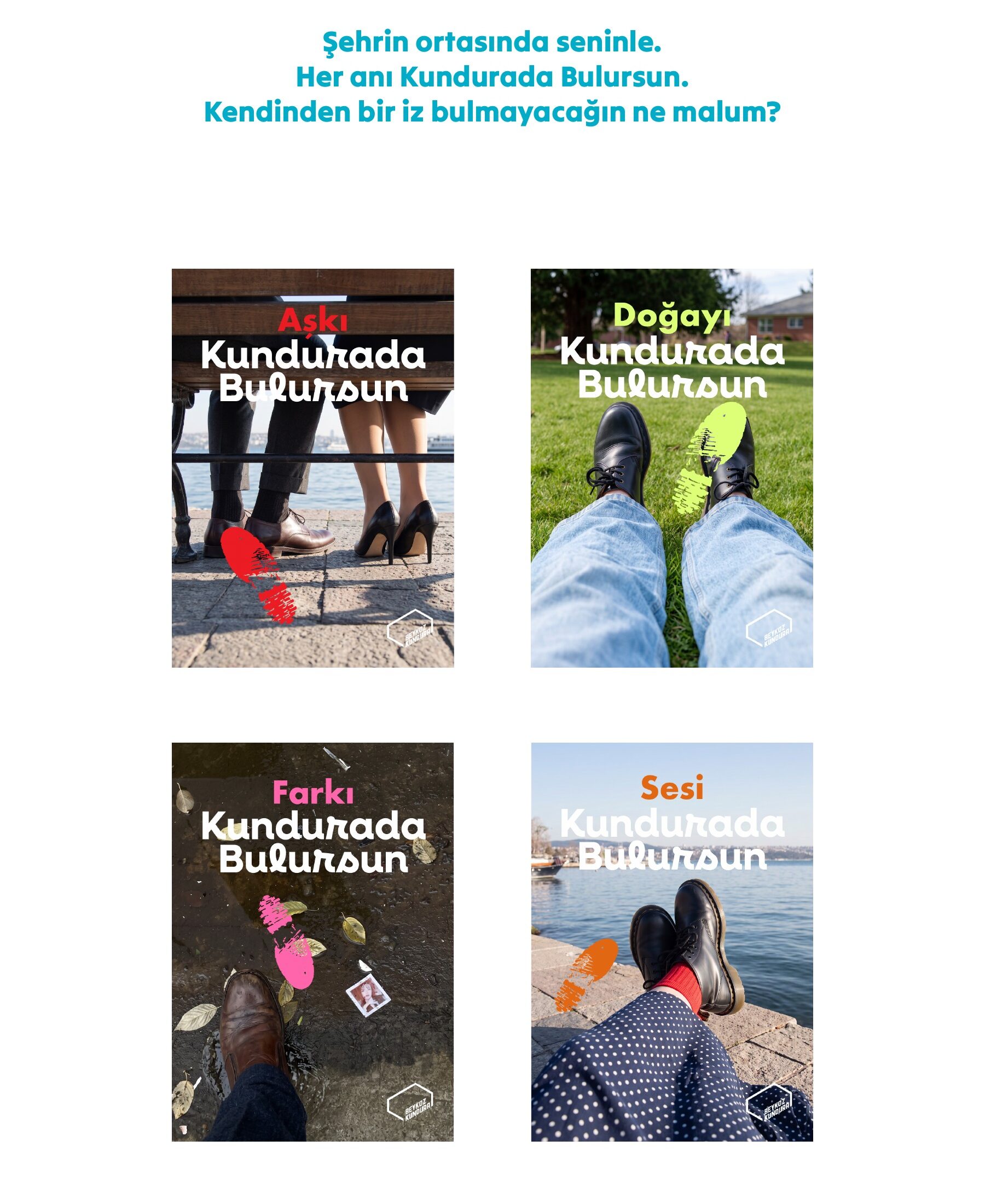
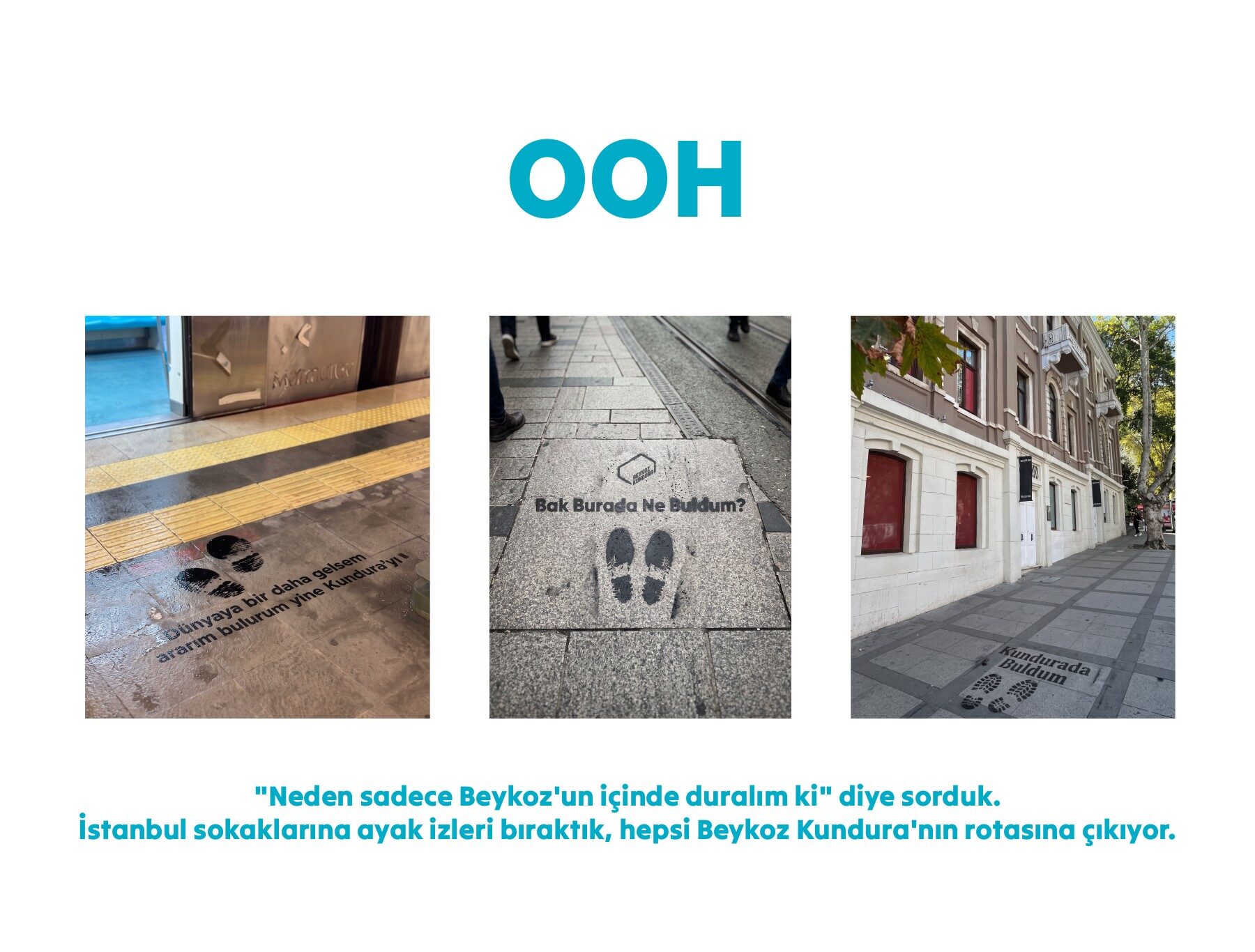
The "Find It at Kundura" campaign from Çaylak Camp 2026 — Those who look will find.
BRIEF: Beykoz Kundura
MY ROLE: Copywriter
TEAM: 4 people
INSIGHT: "Every event and experience in Istanbul has started to look the same."
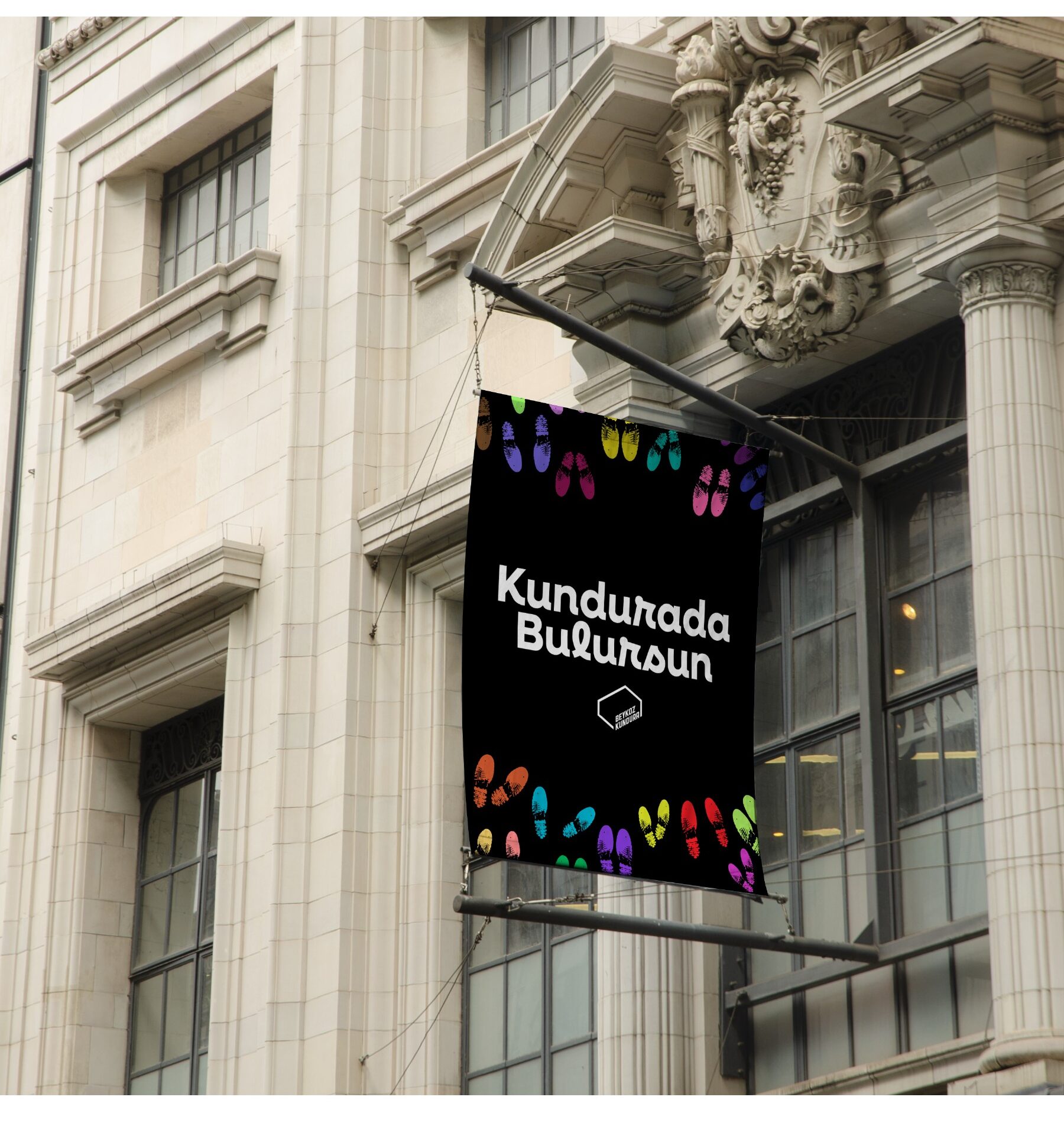
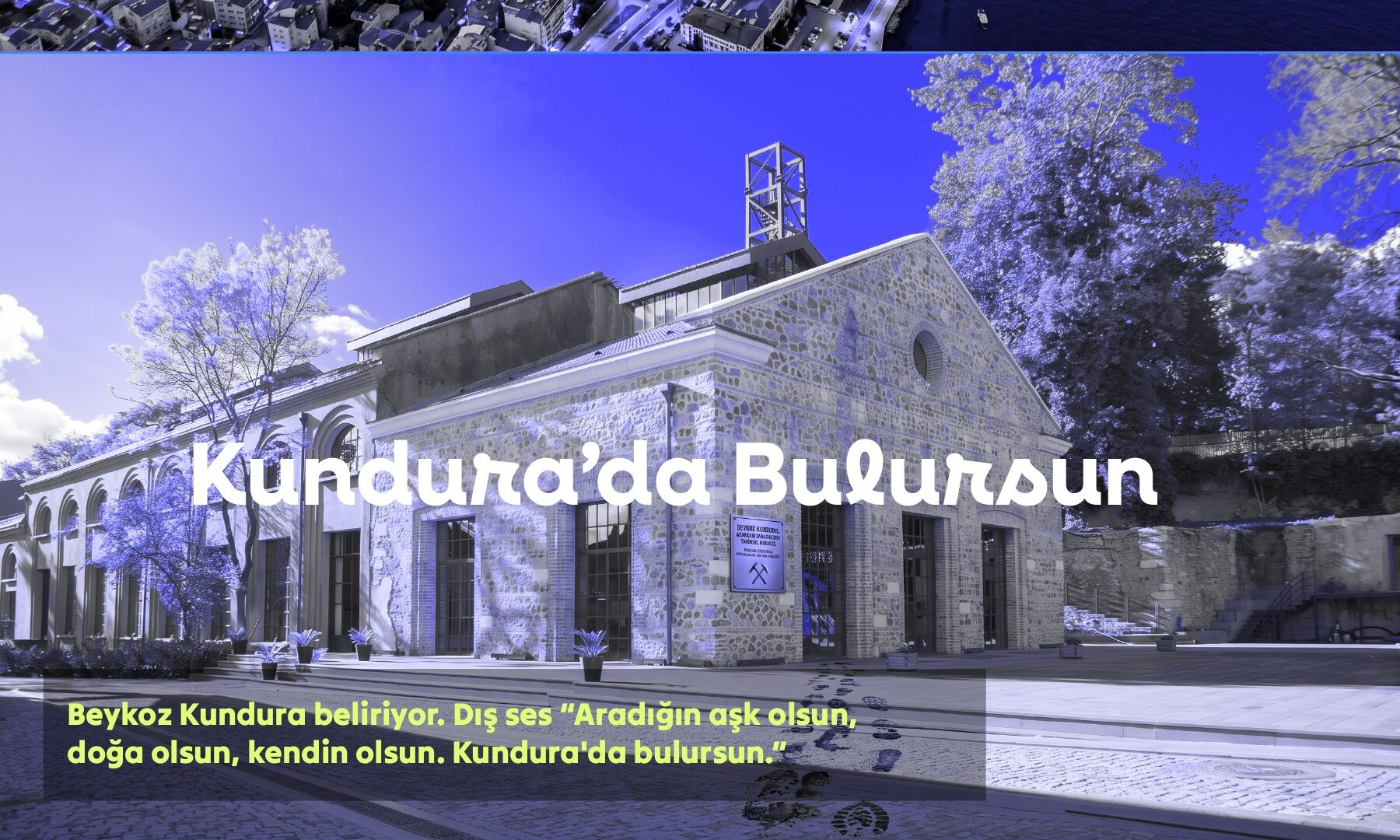
Beykoz Kundura has a powerful heritage but does not speak today's language. So we turned its footprint into a story: Whether you are looking for love, nature, yourself, or a sound: you will find it at Kundura.
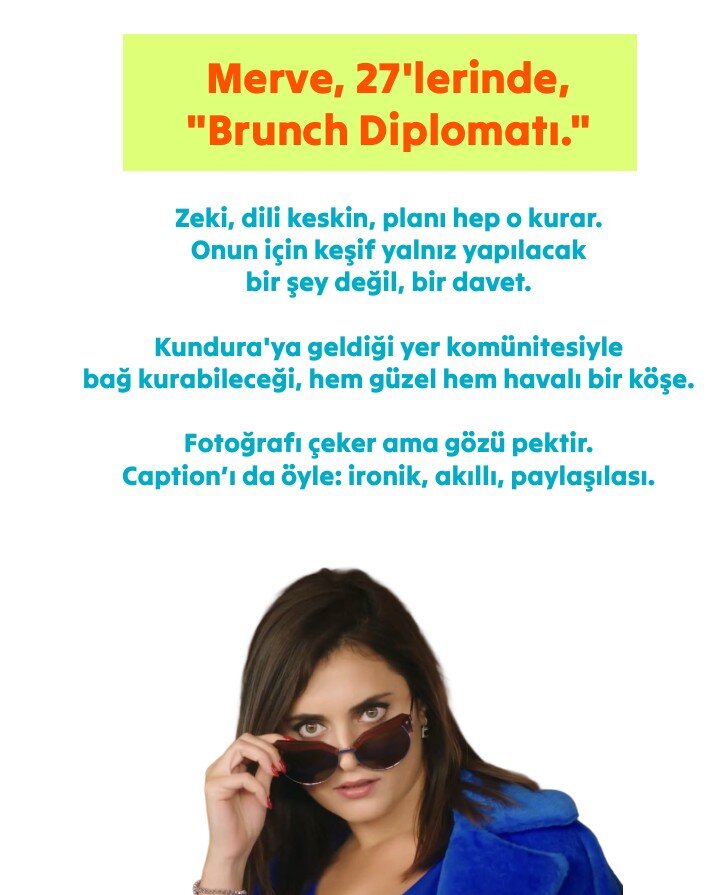
target audience
▶ persona_merve.jpg
key visuals
▶ key_visual_afis.jpg
▶ key_visual_serisi.jpg
teaser
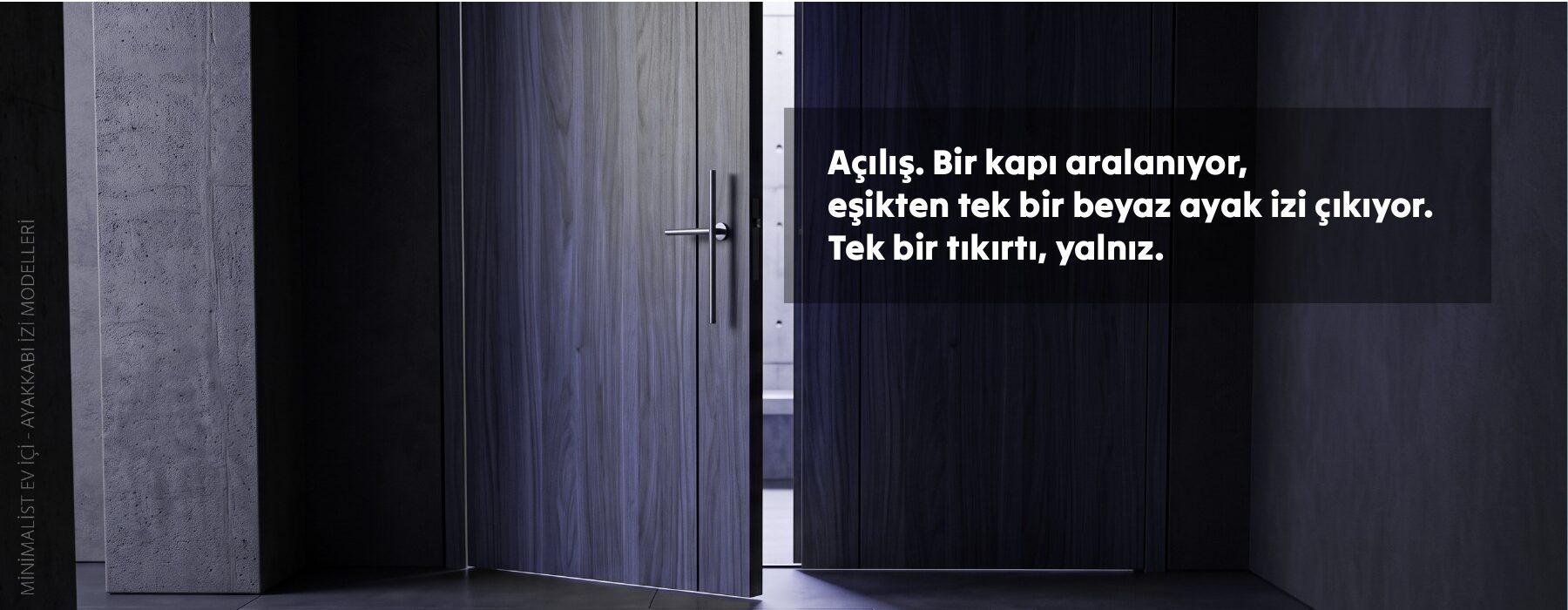
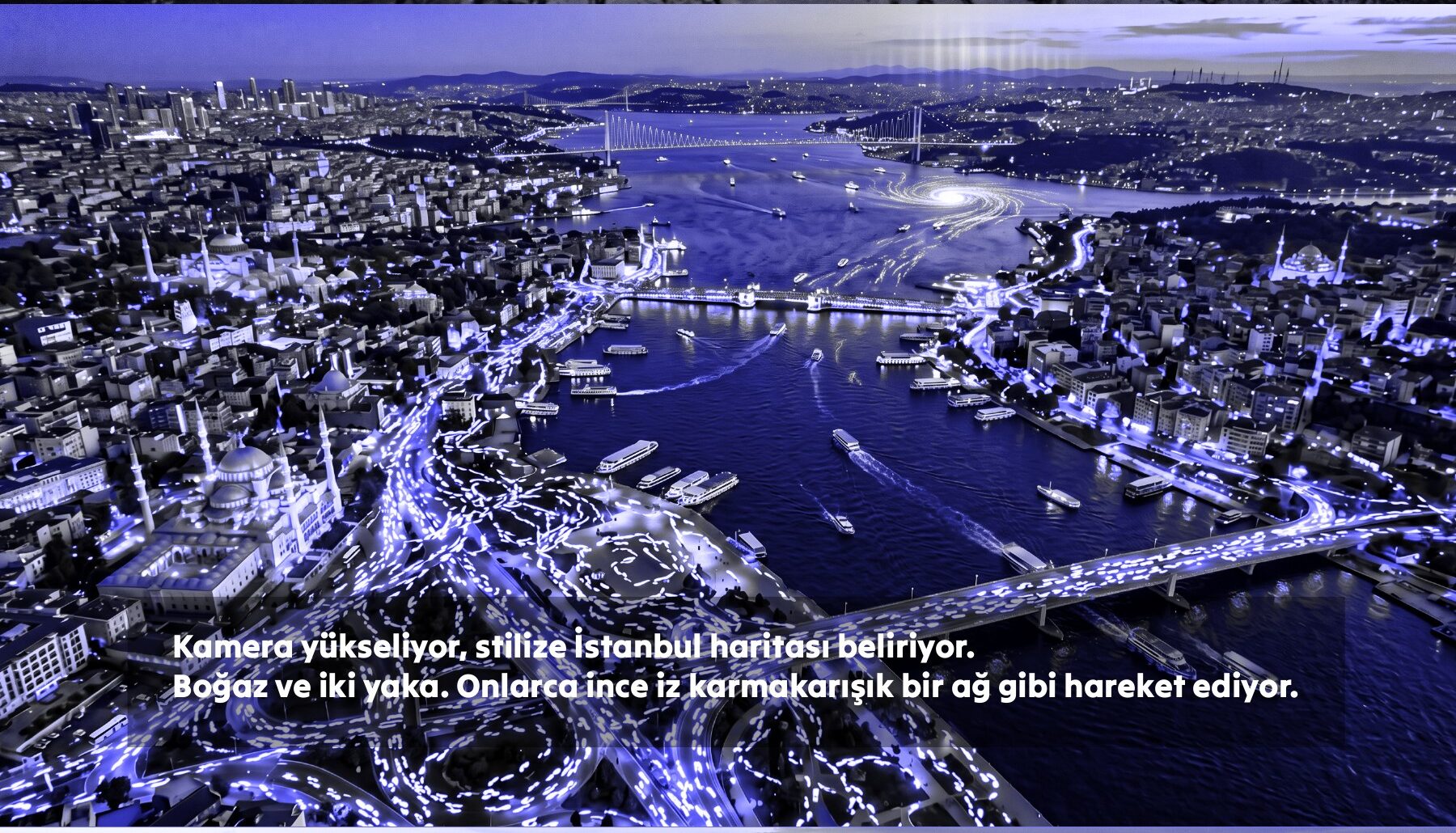
▶ teaser_kare_1.jpg
▶ teaser_kare_2.jpg
▶ teaser_kare_3.jpg
ooh
▶ ooh_ayak_izleri.jpg
✧ FIND IT AT KUNDURA ✧ THOSE WHO LOOK WILL FIND ✧ CULTURE IS THERE ✧ MEMORY IS THERE ✧ SO ARE YOU ✧
🔮✨ FRESH ✨
STAY WEIRD
Genç Kristal × Aposto 2026
🌐 aposto.com/hesapta-yoktu
Not in the Budget What's Your Moment?
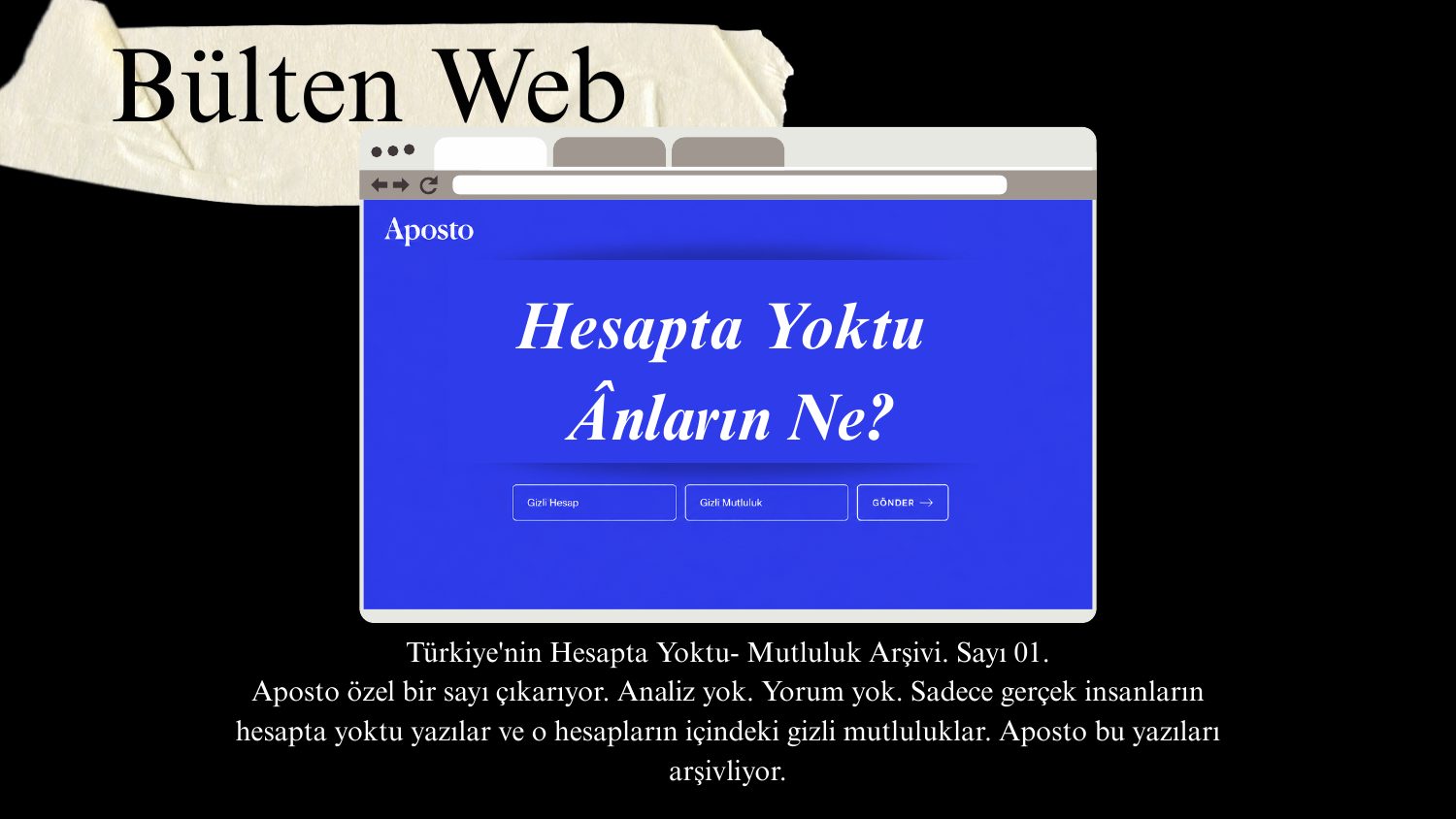
Turkey's Not in the Budget — Happiness Archive. Issue 01.
loading
78%
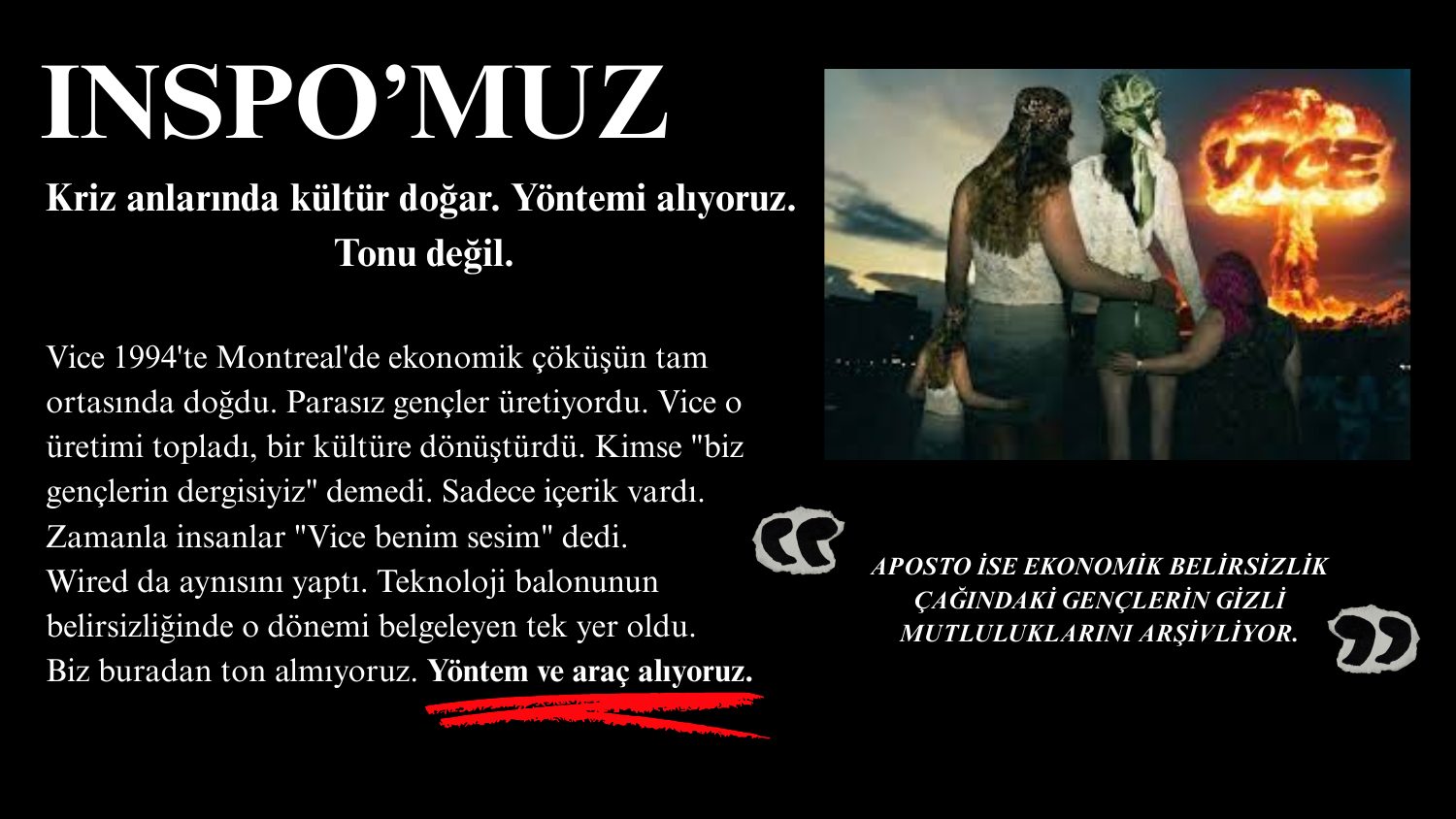
Culture is born in times of crisis. We take the method, not the tone.
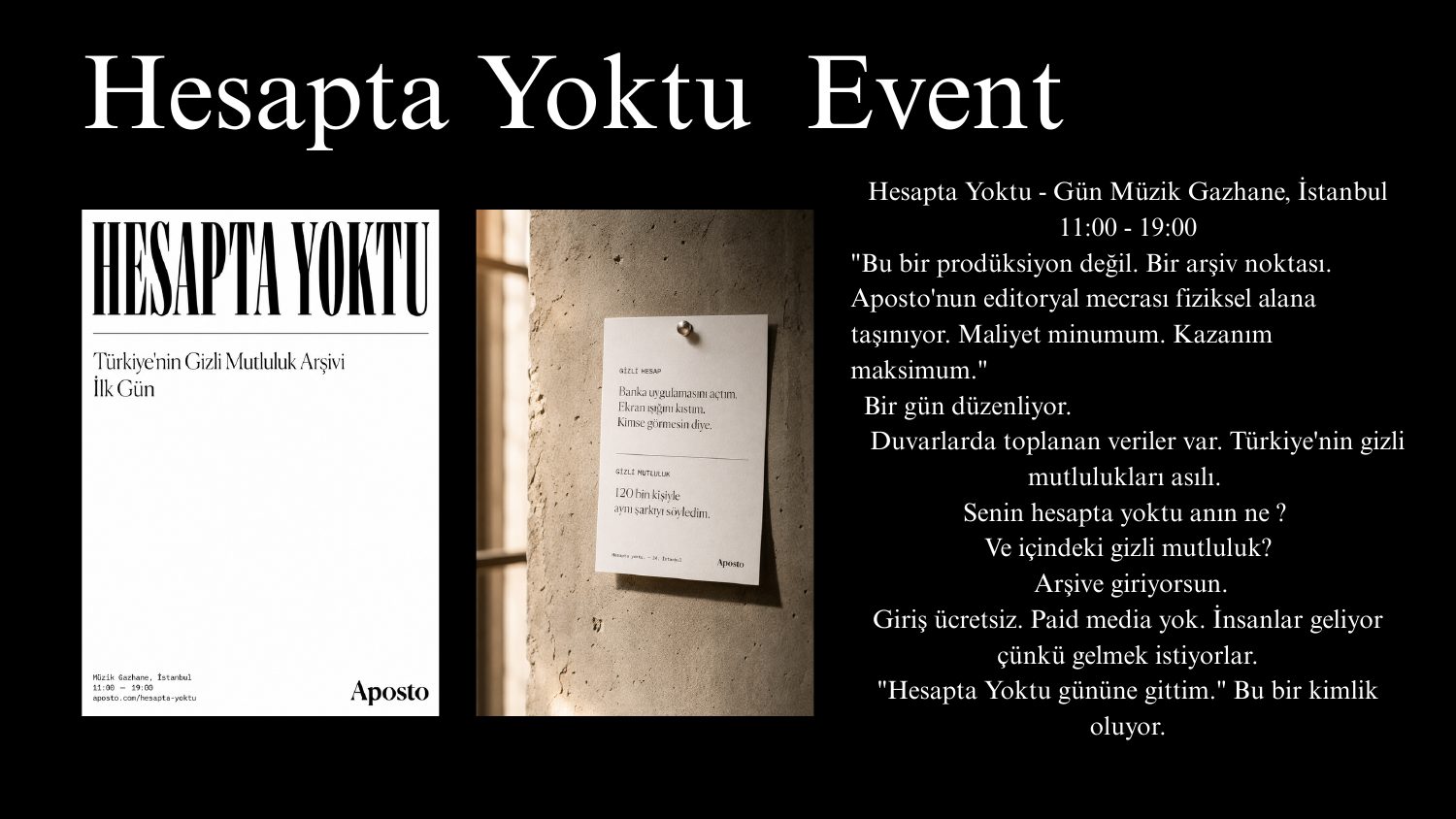
Free entry. No paid media. People come because they want to.
"I went to the Not in the Budget day." It becomes an identity.
SLOGAN: "Not in the Budget." — Aposto.
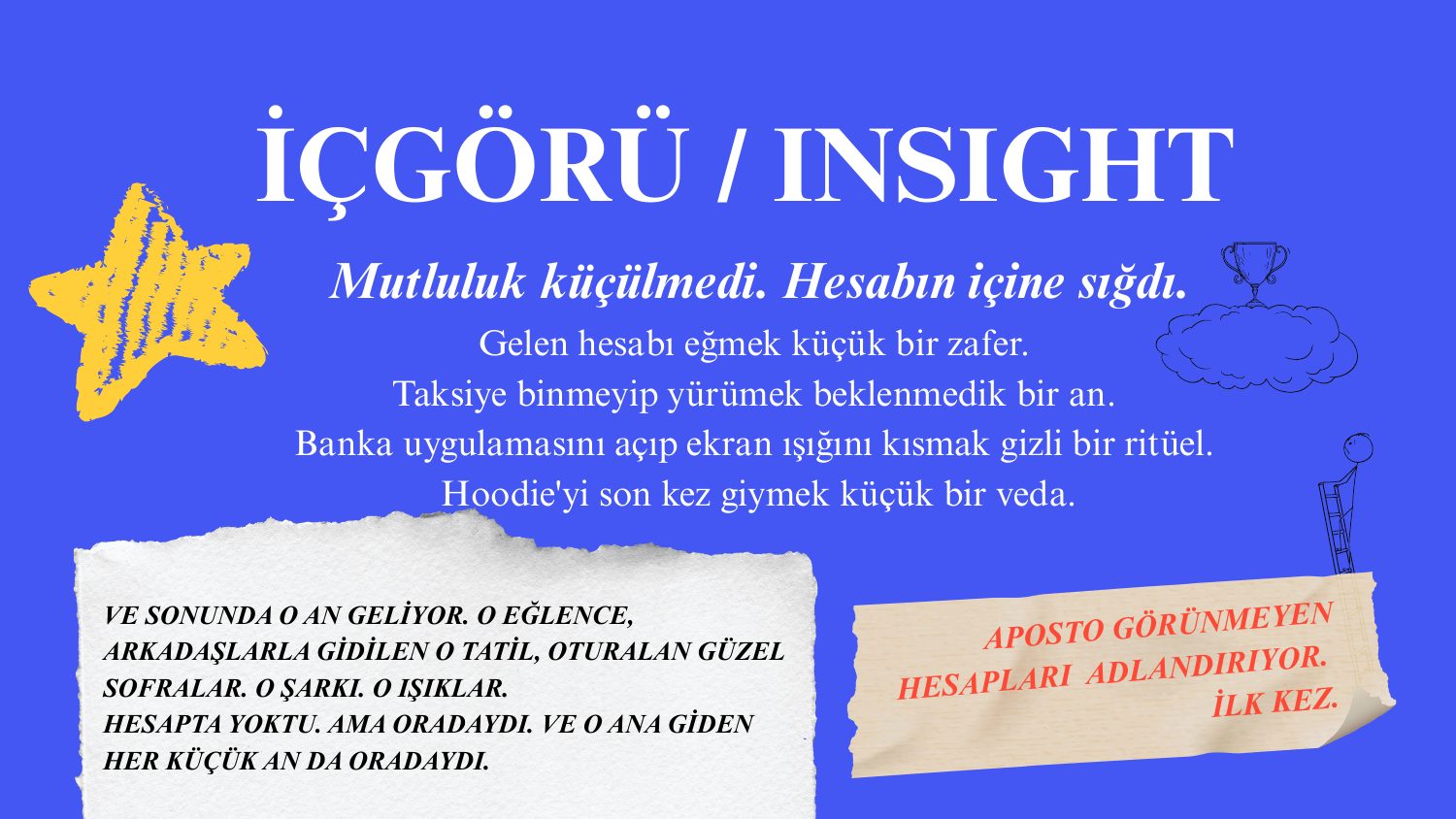
INSIGHT: "Happiness didn't shrink. It fit inside the budget."
TARGET AUDIENCE: "The generation that secretly does the math": university students and junior grads
TEAM: 2 people (Duru Beste Saka & Gülsu Karakaş)
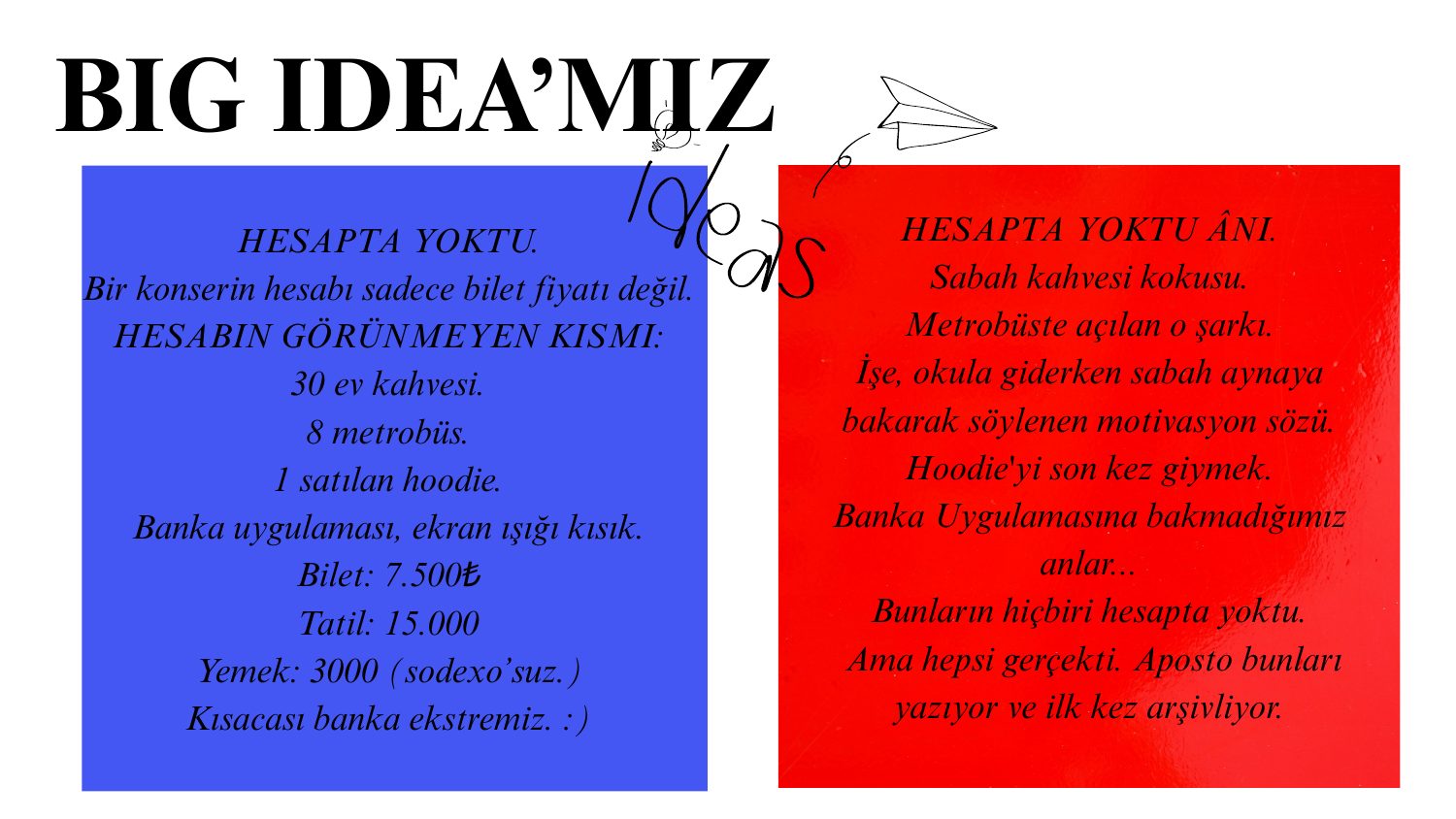
big idea
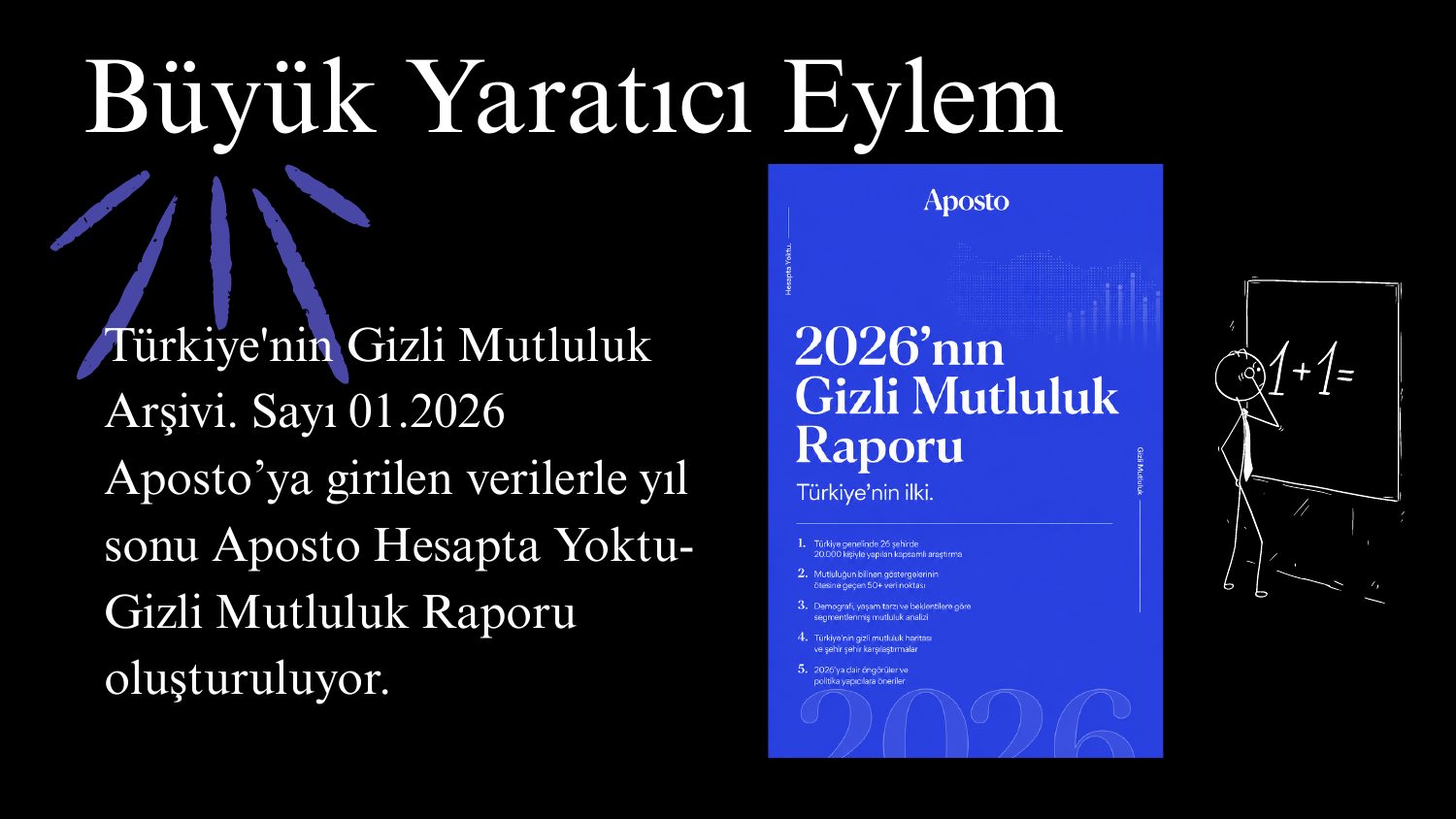
FOMO is over, secret happiness has begun. This generation is not spontaneous, it plans: they give up 30 coffees at home for one concert ticket. Nobody writes about the invisible side of that budget. Aposto does, and archives it for the first time.
▶ icgoru.jpg
▶ big_idea_hesapta_yoktu.jpg
inspiration: vice
Vice was born in 1994 in Montreal in the middle of an economic collapse, turning what broke young people made into a culture. Wired did the same in the tech bubble. We did not take the tone from them, we took the method and the tool: culture is born in times of crisis.
▶ inspo_vice.jpg
channels
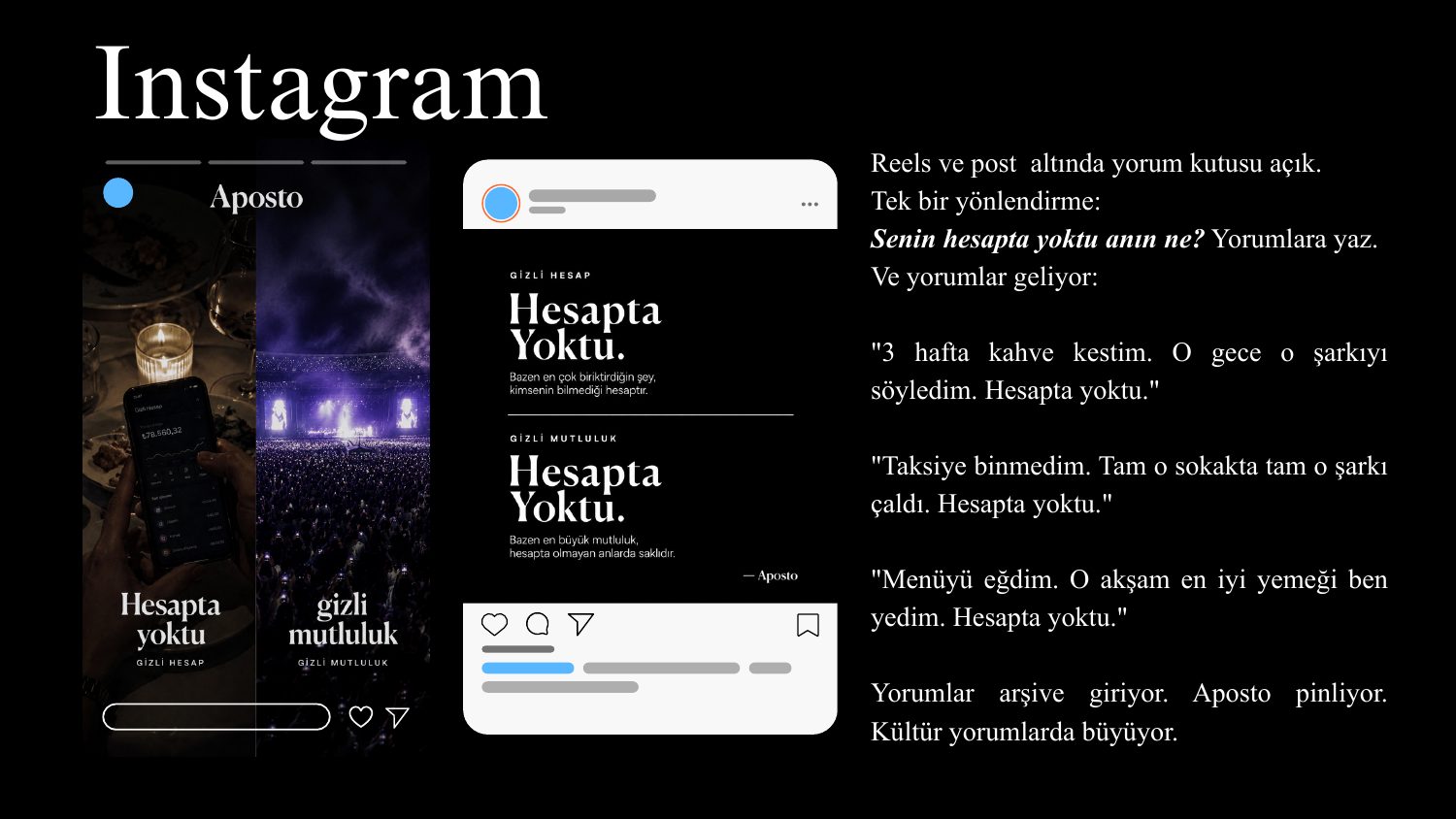
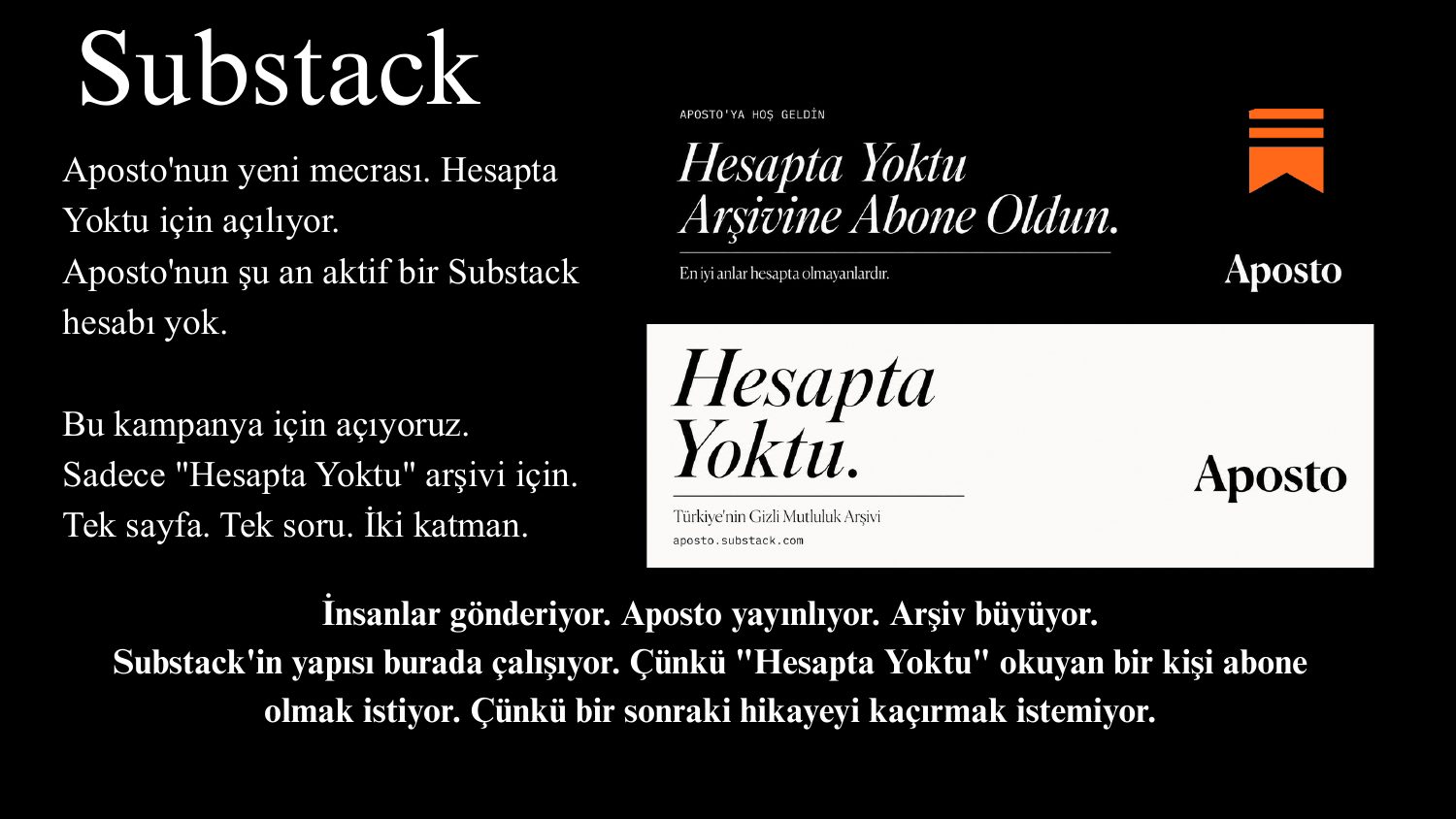
One idea, on Aposto's own channels. No paid media: the trust is already there, the campaign activates it. Every channel leads to the same door: what is your not-in-the-budget moment?
▶ bulten_web.jpg
▶ instagram.jpg
▶ substack.jpg
event and report
An invite-only archive day for 200-300 people at Gün Müzik Gazhane: first you write your story, then you get an invitation. At the end of the year, the data collected is published as the "Turkey Secret Happiness Report".
▶ event_gazhane.jpg
▶ gizli_mutluluk_raporu.jpg
🍊Pitched to Coca-Cola & Ogilvy · Picked 1st out of 23 groups 🏆
Fanta Graduation Project
ICONIC
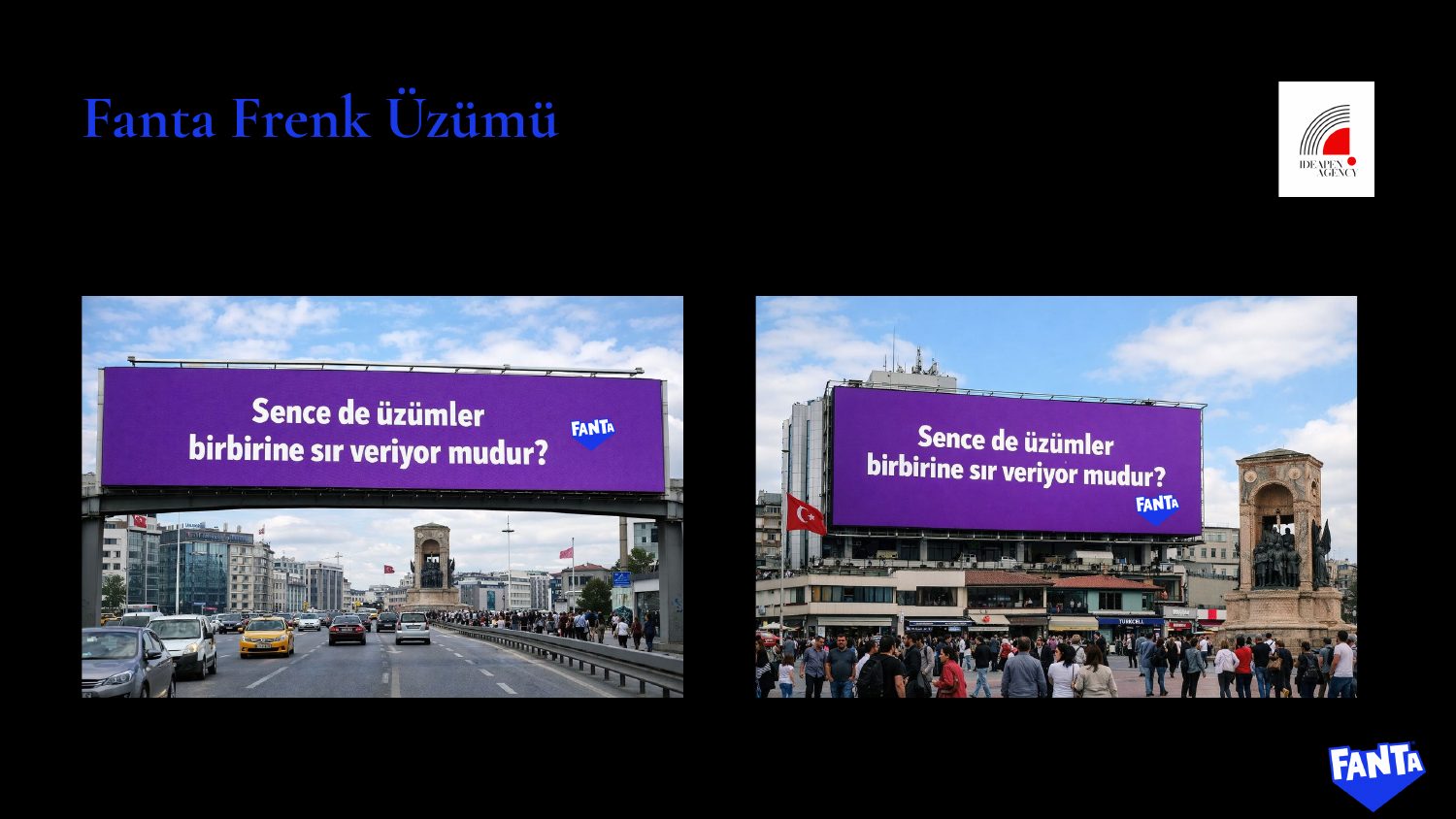
"Do you think the grapes tell each other secrets?"
▶ billboard_taksim.mp4
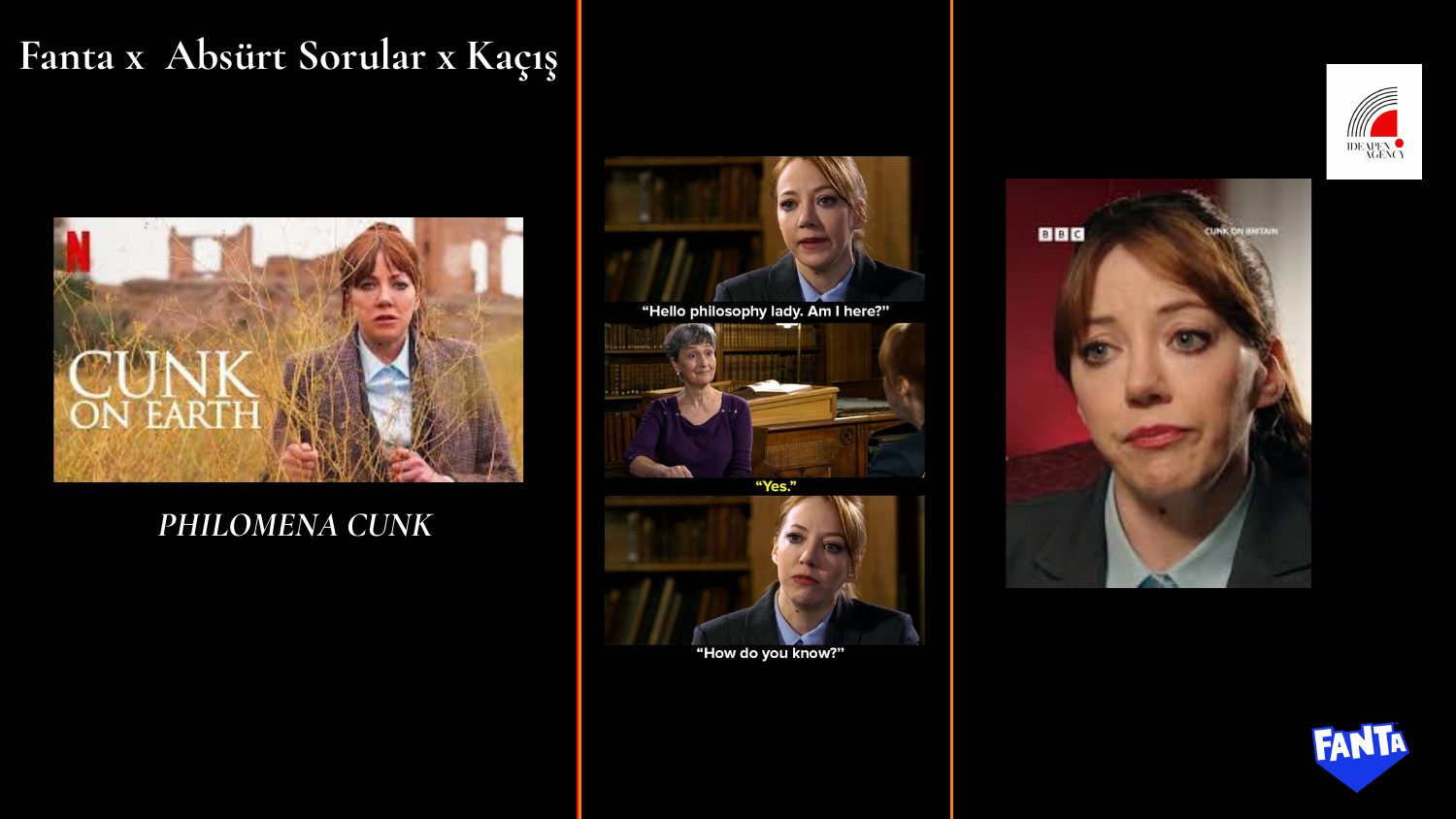
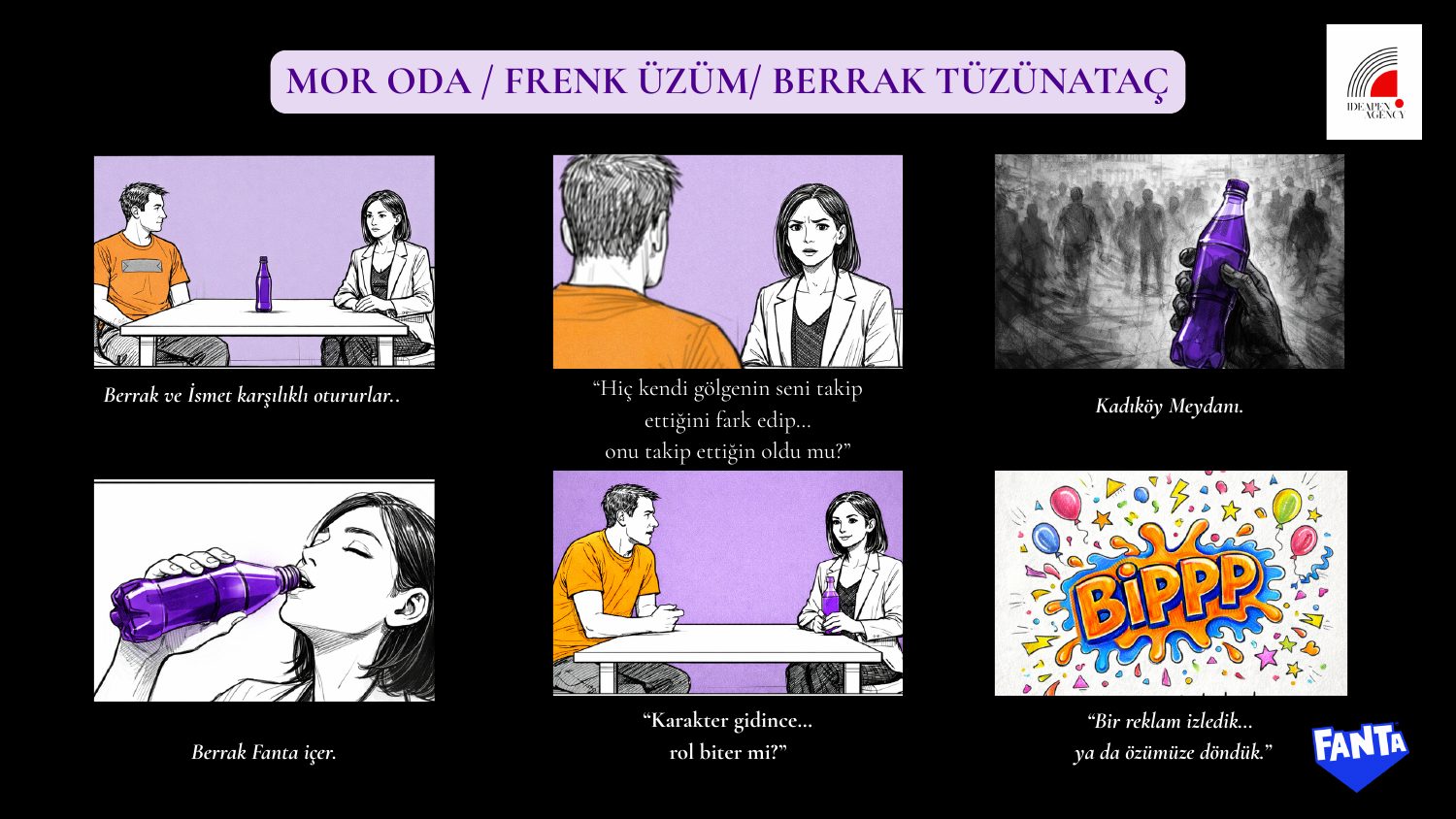
A Philomena Cunk–inspired story spilling into Kadıköy square: "have you ever followed your own shadow?"
inspiration: cunk on earth
▶ ilham_philomena_cunk.jpg
🏆 sonuc.exe
Pitched to Coca-Cola and Ogilvy. Picked 1st out of 23 groups.
SLOGAN: "We watched an ad… or we returned to ourselves."
INSIGHT: "The world is far too serious; sometimes the only escape is to feel like Fanta."
TARGET AUDIENCE: Efe, 21, university student. Reacts fast to absurd content.
TEAM: IdeaPen Agency
⚠ big-idea.exe✕
BRIEF: Fanta is a beloved flavor, but desire and cultural connection have weakened in the minds of young consumers.
OUR IDEA: We turned Fanta's fruits into absurd characters who ask questions but never look for answers. On TV, we built a talk show series where İsmet Ve asks celebrities unanswerable questions. A question arrives, confusion sets in, Fanta is sipped, reality slows down. The same language continued on radio, digital, outdoor, and in experiential spaces.
tv commercial series
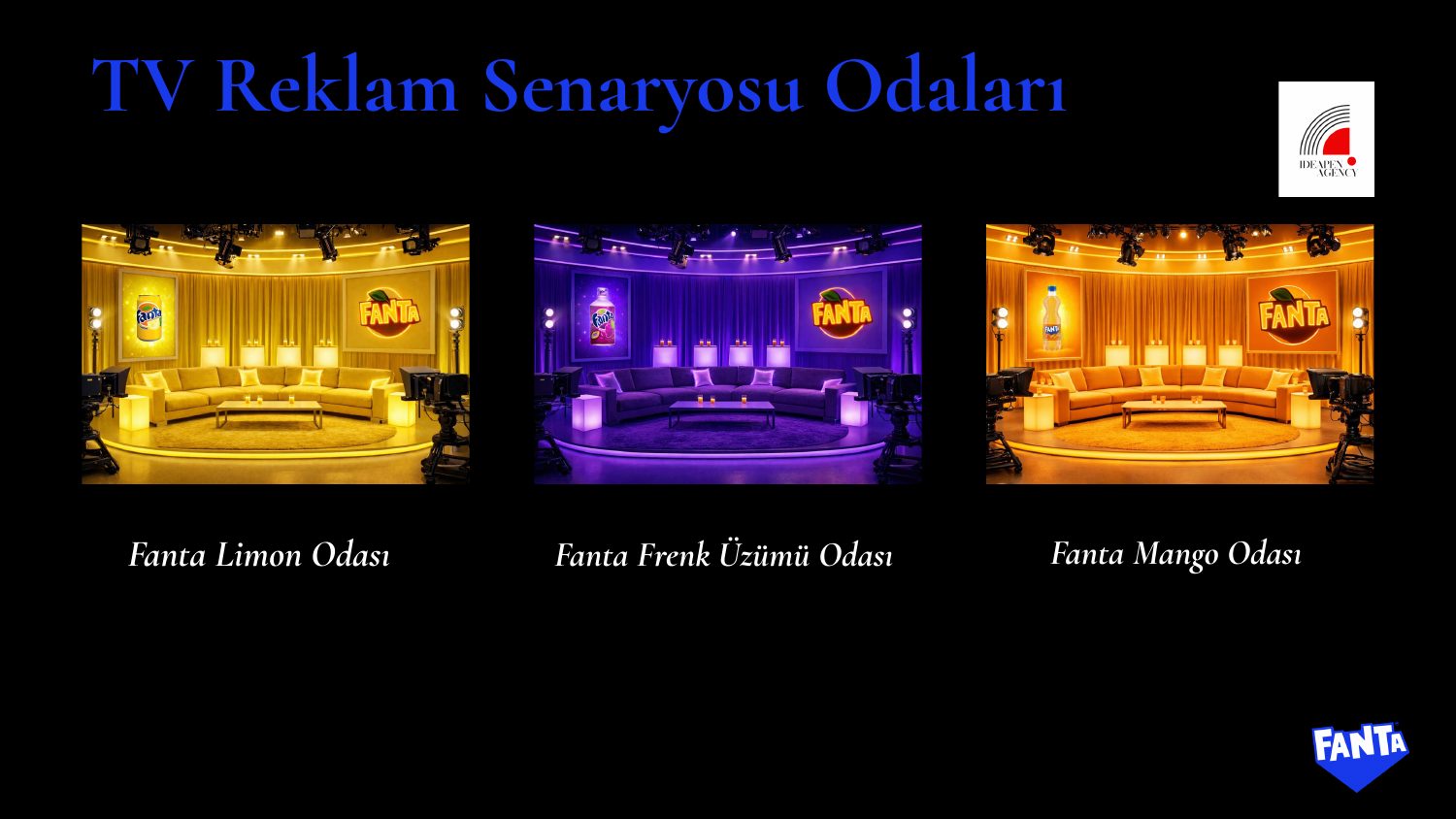
Three flavors, three rooms: Lemon, Gooseberry, and Mango. In each room, İsmet Ve has a different guest and a different absurd question.
▶ tv_odalari.jpg
▶ storyboard_mor_oda.jpg
outdoor
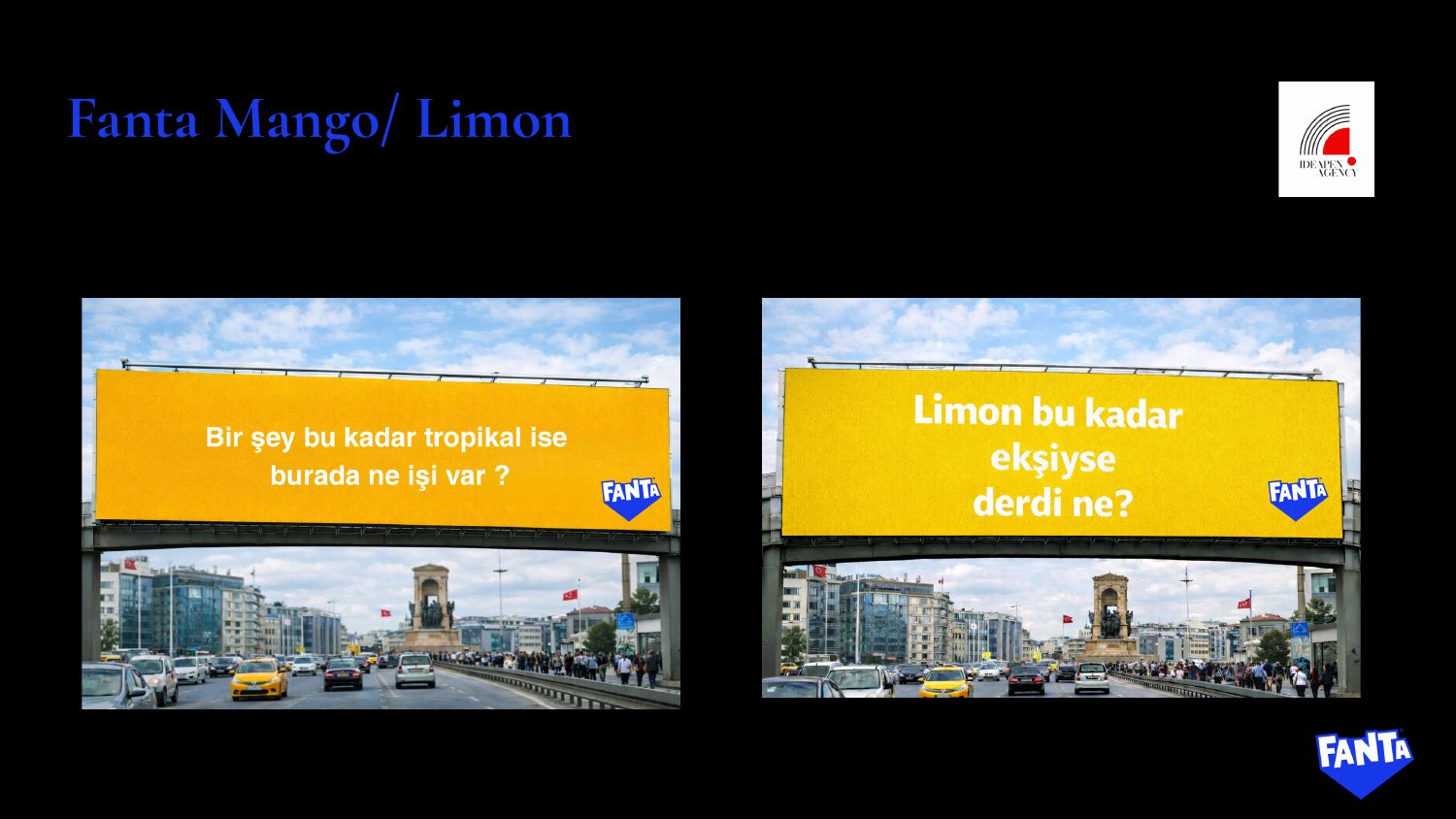
We did not show the product, we showed curiosity. One-sentence questions that catch attention in 2-3 seconds along Taksim, the E-5, and the TEM highway.
▶ billboard_frenk_uzumu.jpg
▶ billboard_mango_limon.jpg
digital
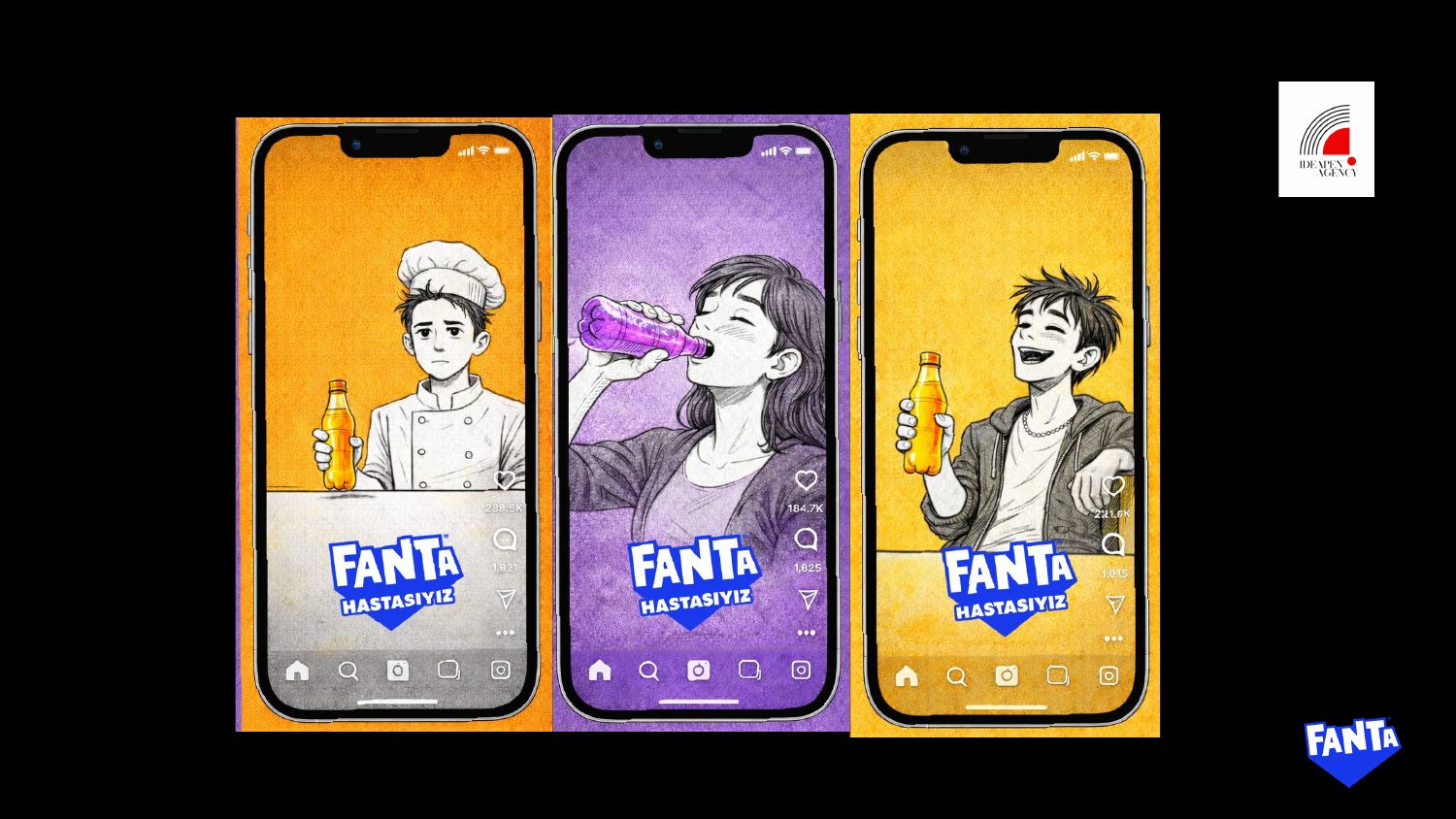
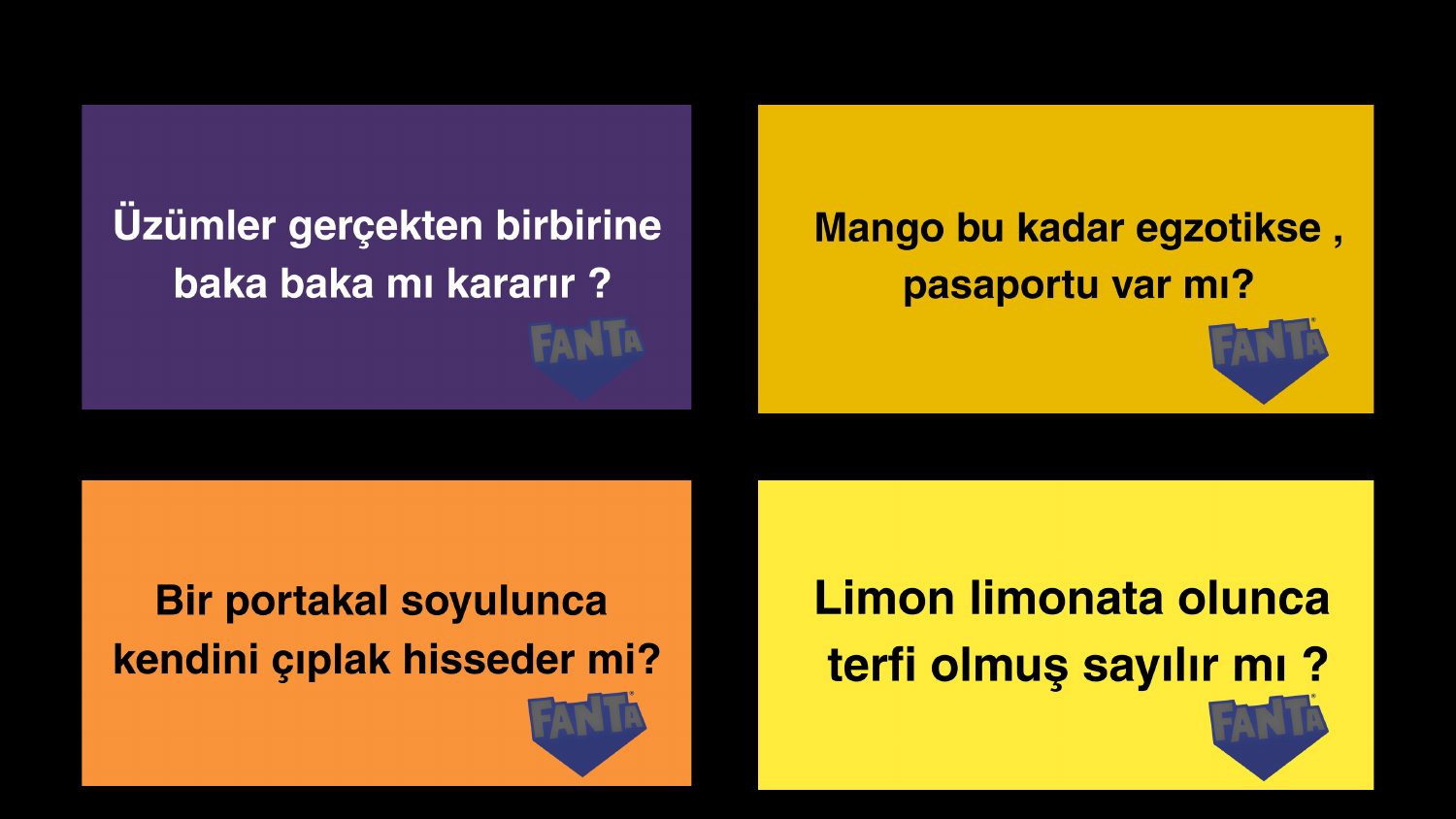
The same moment of pause on YouTube, Instagram, and TikTok; absurd questions asked directly to the user in digital banners.
▶ instagram_reklam.jpg
▶ dijital_banner.jpg
The campaign was also built around radio (three 10-second micro scripts), influencer and podcast collaborations, kiosks (a chance to win Fanta Fest tickets), and a four-season media plan.
✧ ICONIC SINCE 2024 ✧ THE GRAPES ARE SHARING SECRETS ✧ TAKSIM SQUARE APPROVED ✧ FANTA GRADUATION PROJECT ✧
🐣
✦✧✦
✧✦1st out of 22 groups 🏆vroom vroom
Çaylak Keşfi × Advertising Foundation
⚠ big-idea.exe✕
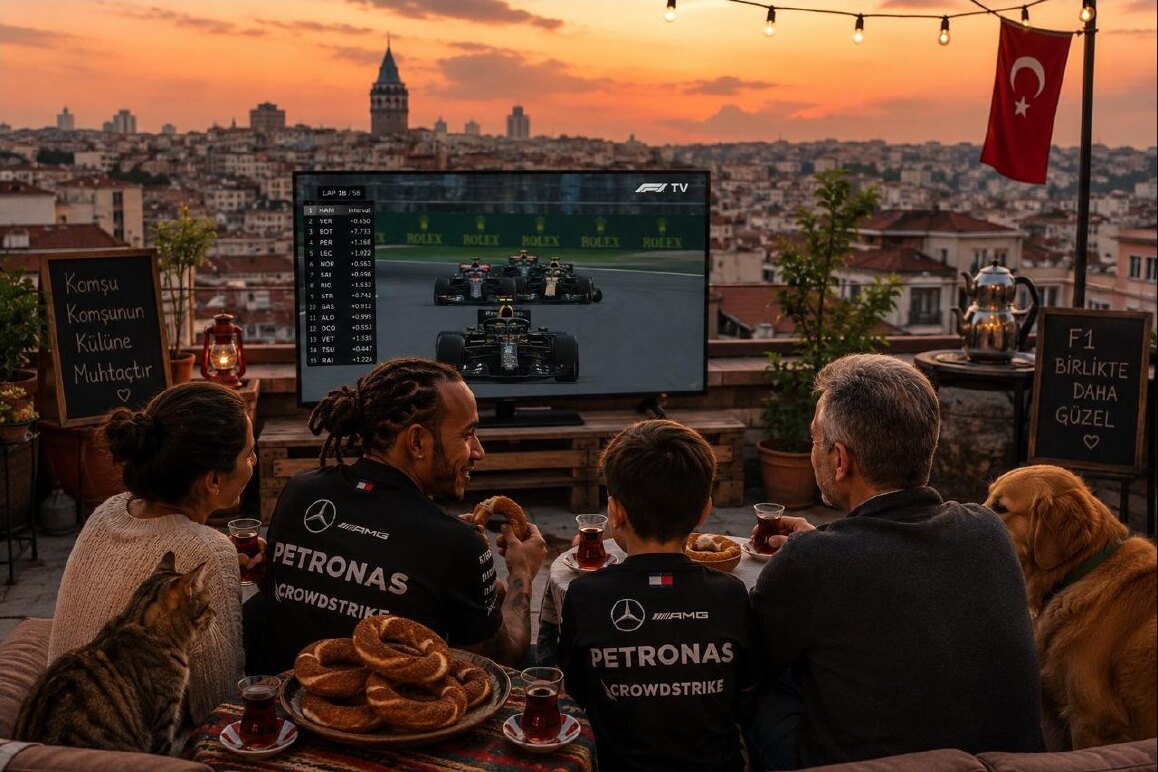
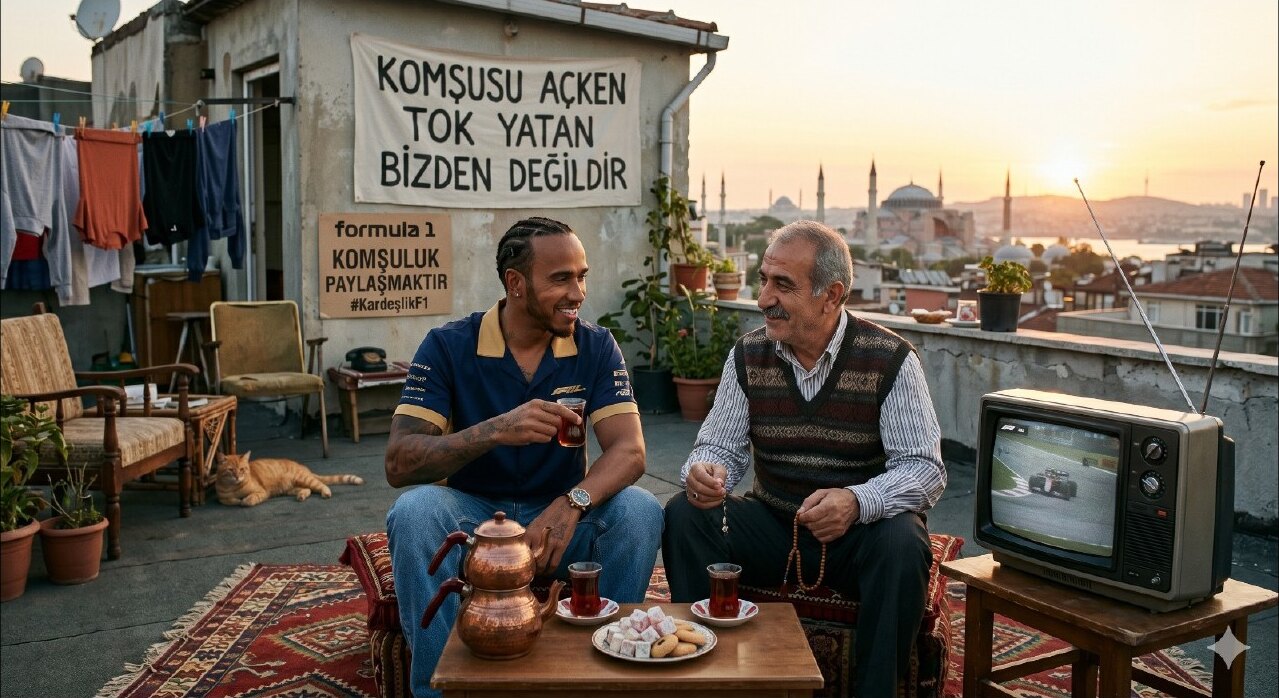
OUR BIG IDEA: "A Neighbor Needs a Neighbor's Ashes"
"Where we come from, when someone knocks, you don't say 'who is it', you say 'welcome'." The speed of Formula 1 is not worth more than a neighbor's "let's watch it together".
a neighbor needs a neighbor's ashes
#BrotherhoodF1
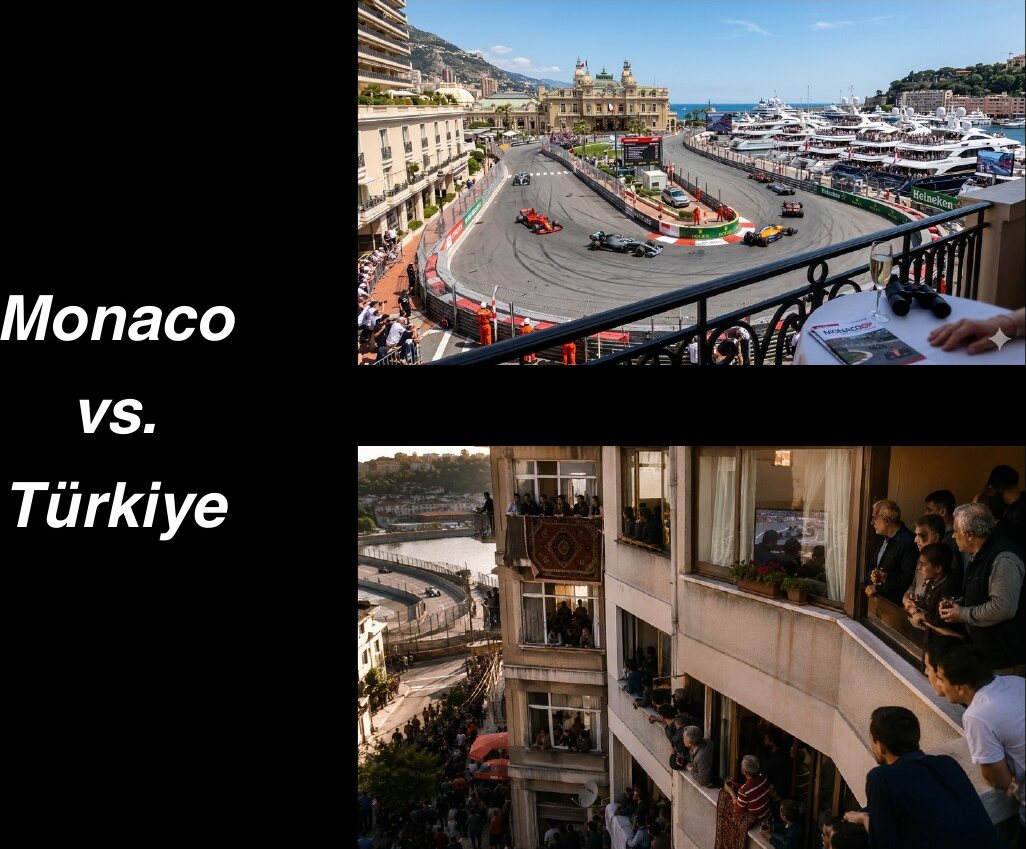
monaco vs. turkey
The film shows a Turkish neighborhood on race day: crowds watching the race with tea on balconies, neighbors leaning out of houses that overlook the track. The speed of Formula 1 and the warmth of neighborhood culture meet in the same frame.
▶ monaco_vs_turkiye.jpg
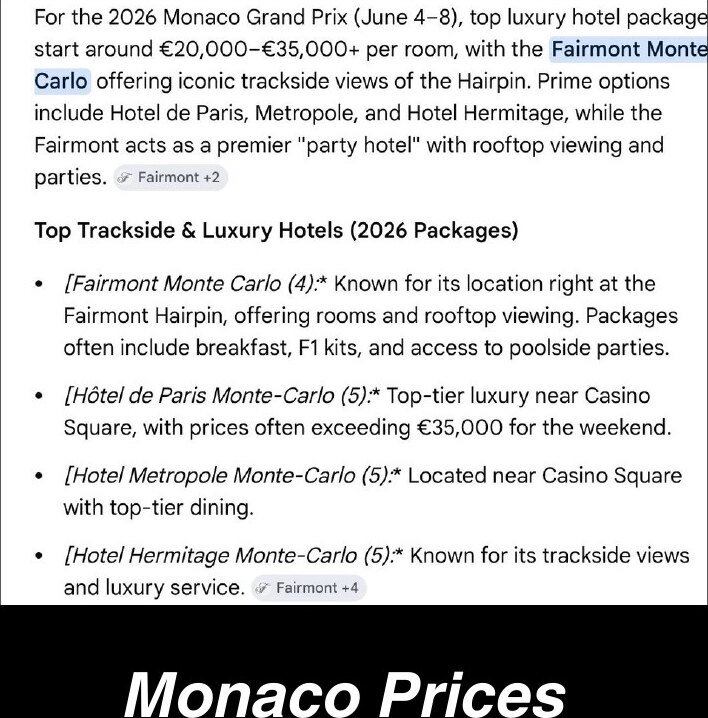
▶ monaco_prices.jpg
🐼
ETİ × WWF Graduation Project
reality is sincerity
LEGENDARY
SLOGAN: "We are all part of the soil movement."
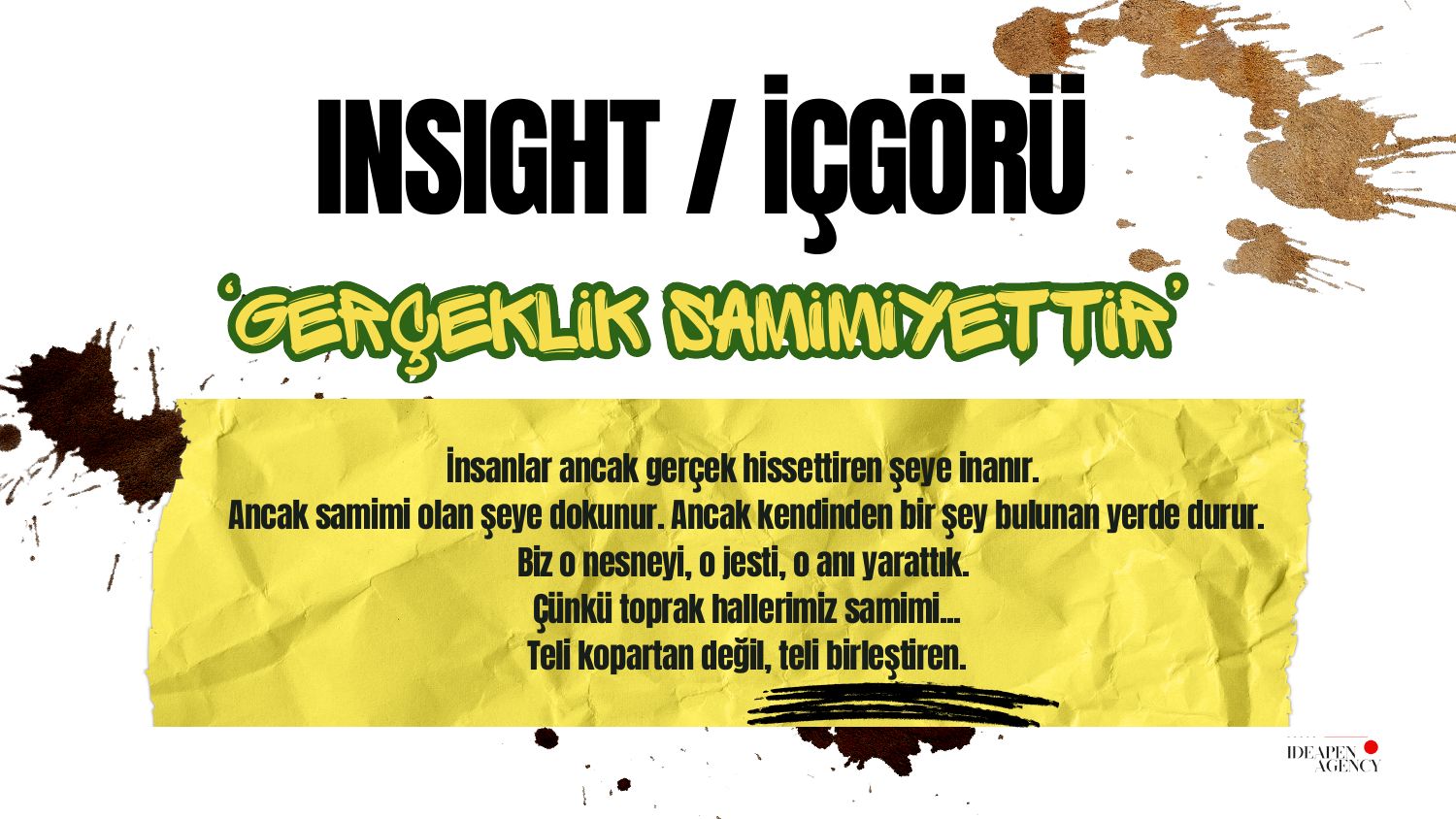
INSIGHT: "Reality is sincerity."
TARGET AUDIENCE: White-collar workers aged 20-40, university students, farmers, and local producers
HASHTAG: #TOPRAKHALİMİZ
big idea: the invisible wire
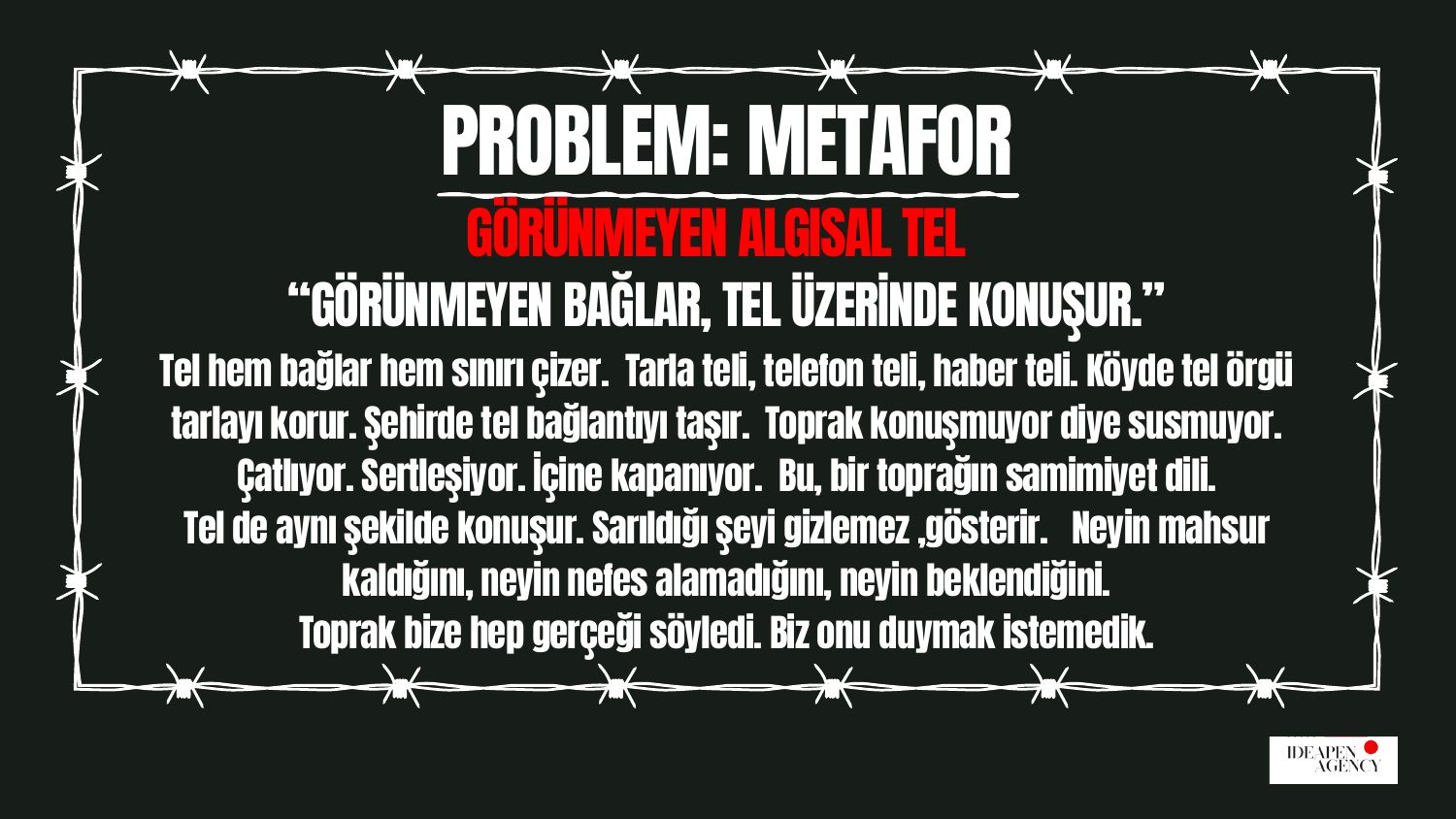
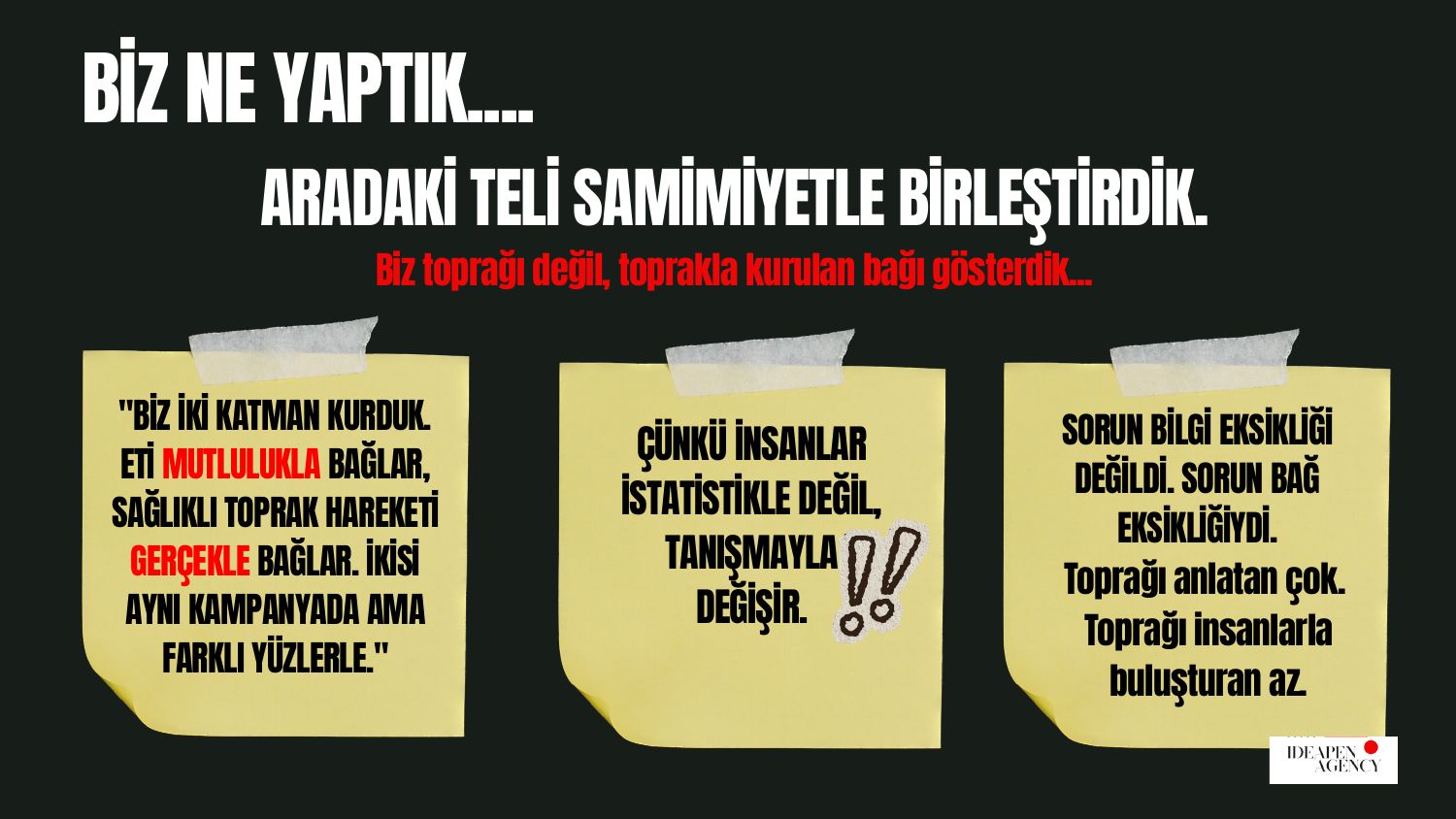
In Turkey there are 847 kilometers between a farmer and a consumer, but the real distance is not geographic, it is perceptual. Neither sees the other, there is only an invisible wire between them. We built a movement to connect that wire: the Healthy Soil Movement.
▶ icgoru.jpg
▶ problem_metafor_tel.jpg
▶ biz_ne_yaptik.jpg
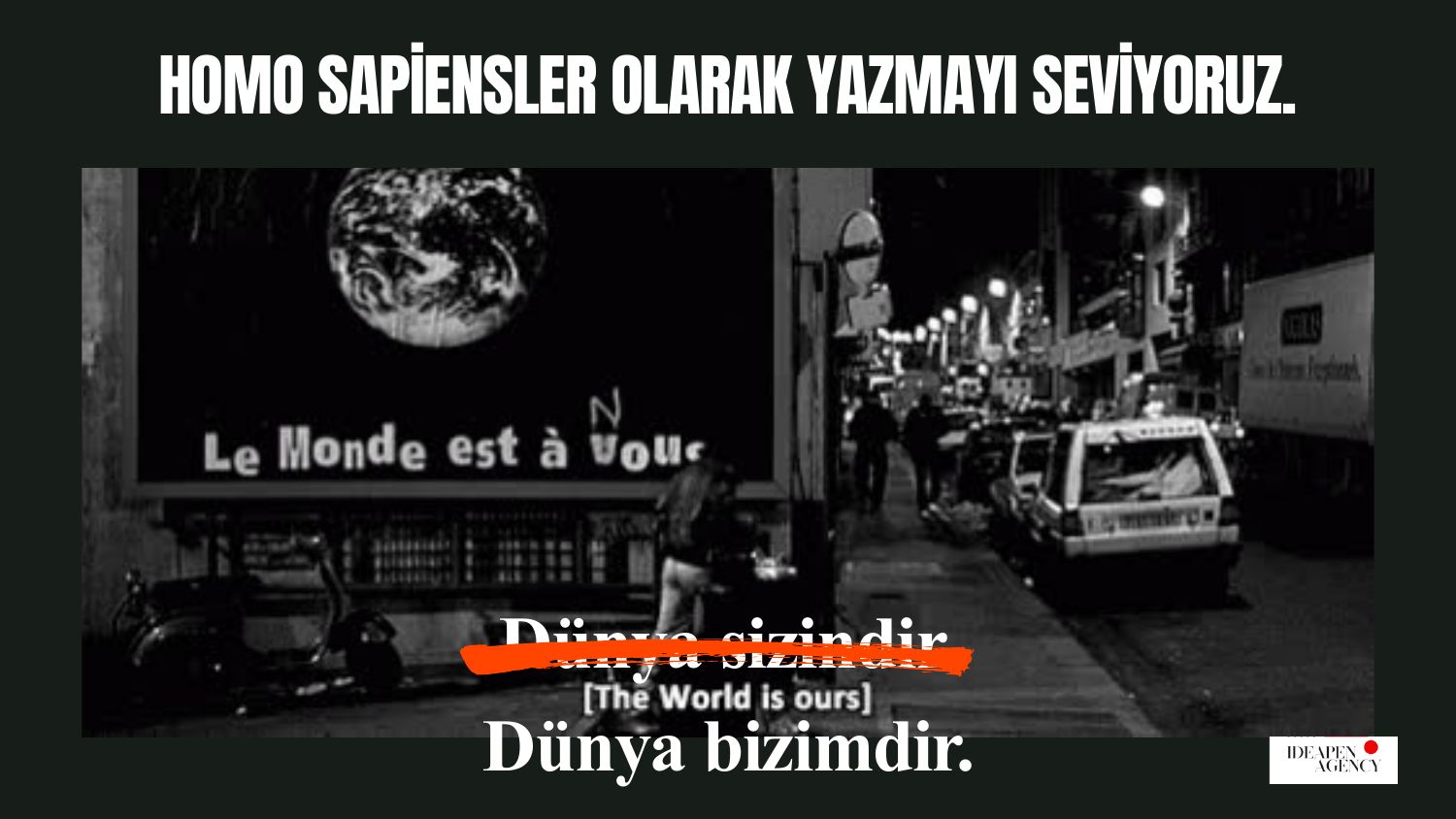
inspiration: jenny holzer and wall writing
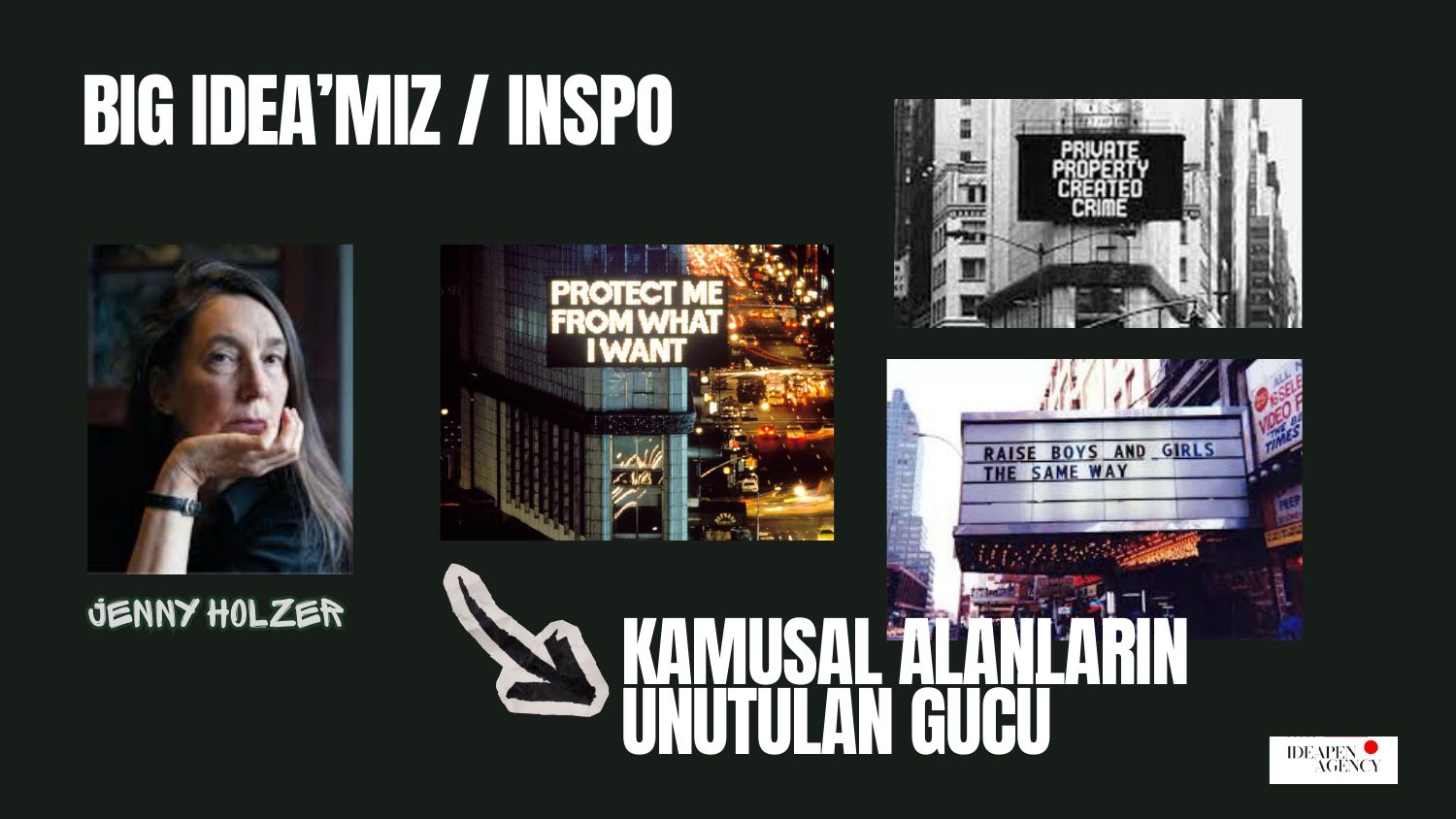
We drew inspiration from Jenny Holzer and Turkey's wall writing: the forgotten power of public space. People love to write, so we took the message to the street, the wall, and the paper.
▶ inspo_jenny_holzer.jpg
▶ dunya_bizimdir.jpg
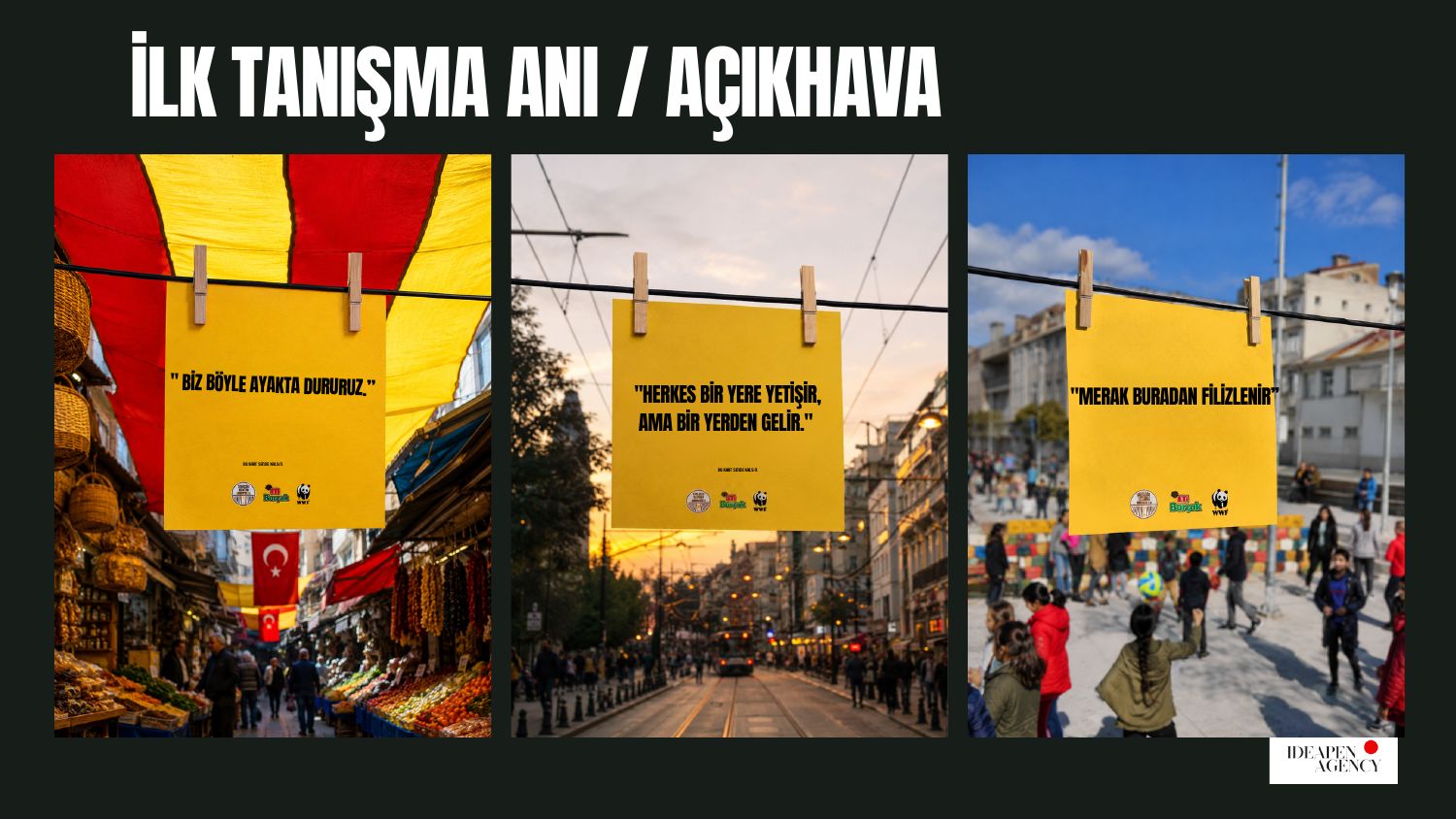
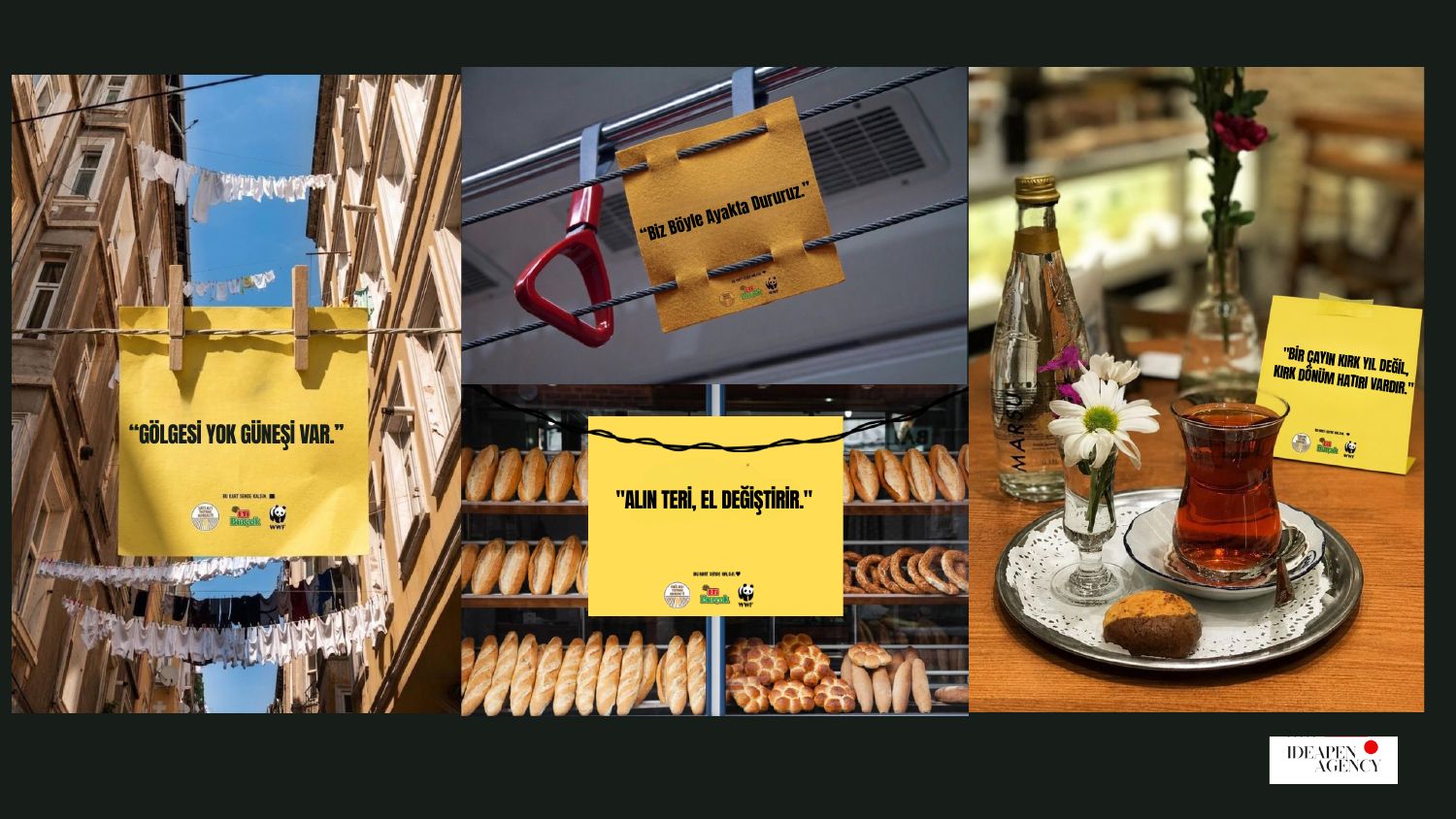
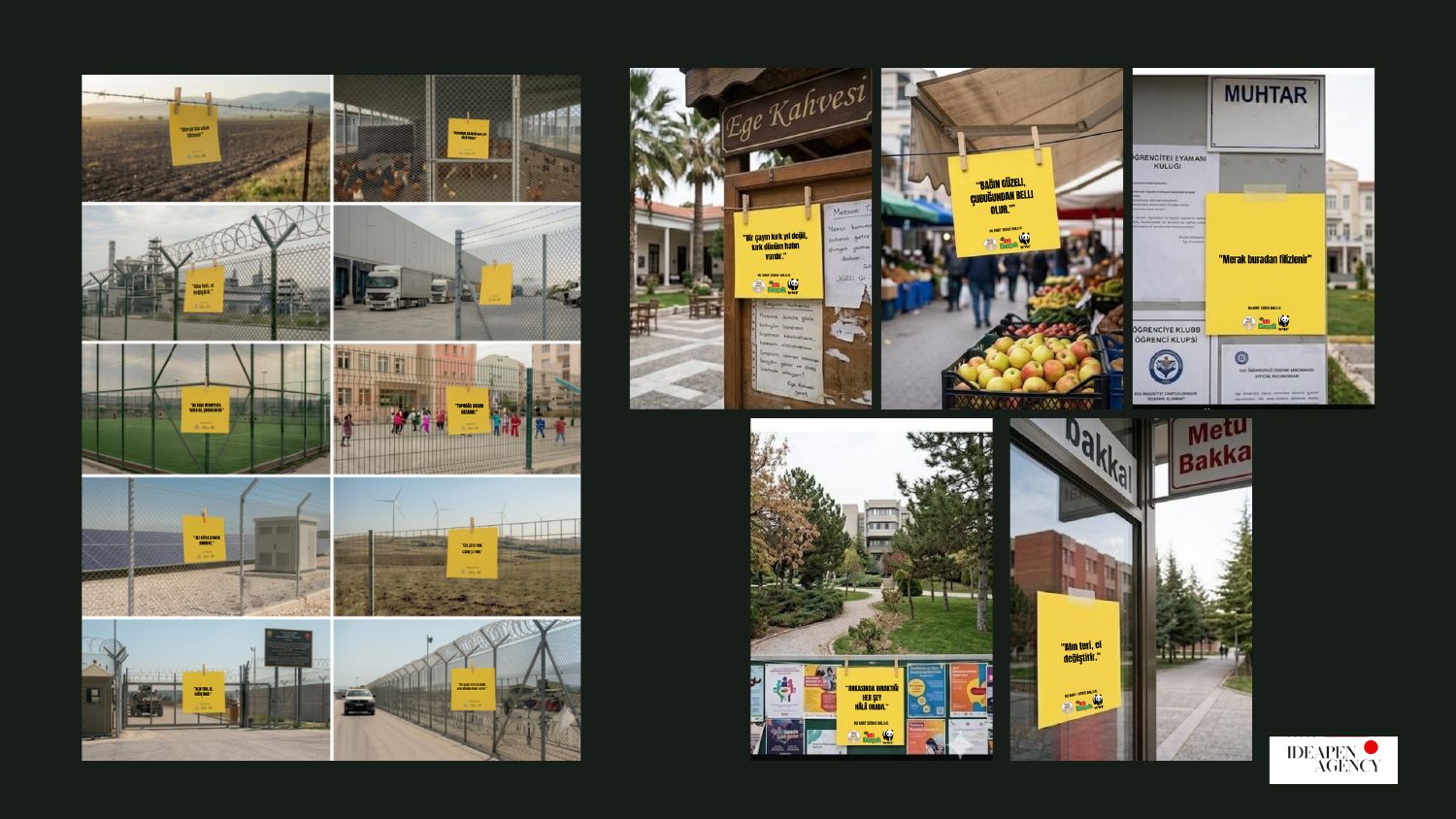
outdoor: first meeting
The first meeting is on the street: yellow papers were hung in the metro, bazaars, and pedestrian streets. The messages are not about the soil, but about the bond we have with it.
▶ ilk_tanisma.jpg
▶ kahve_simit.jpg
▶ sari_kagitlar.jpg
tv commercial
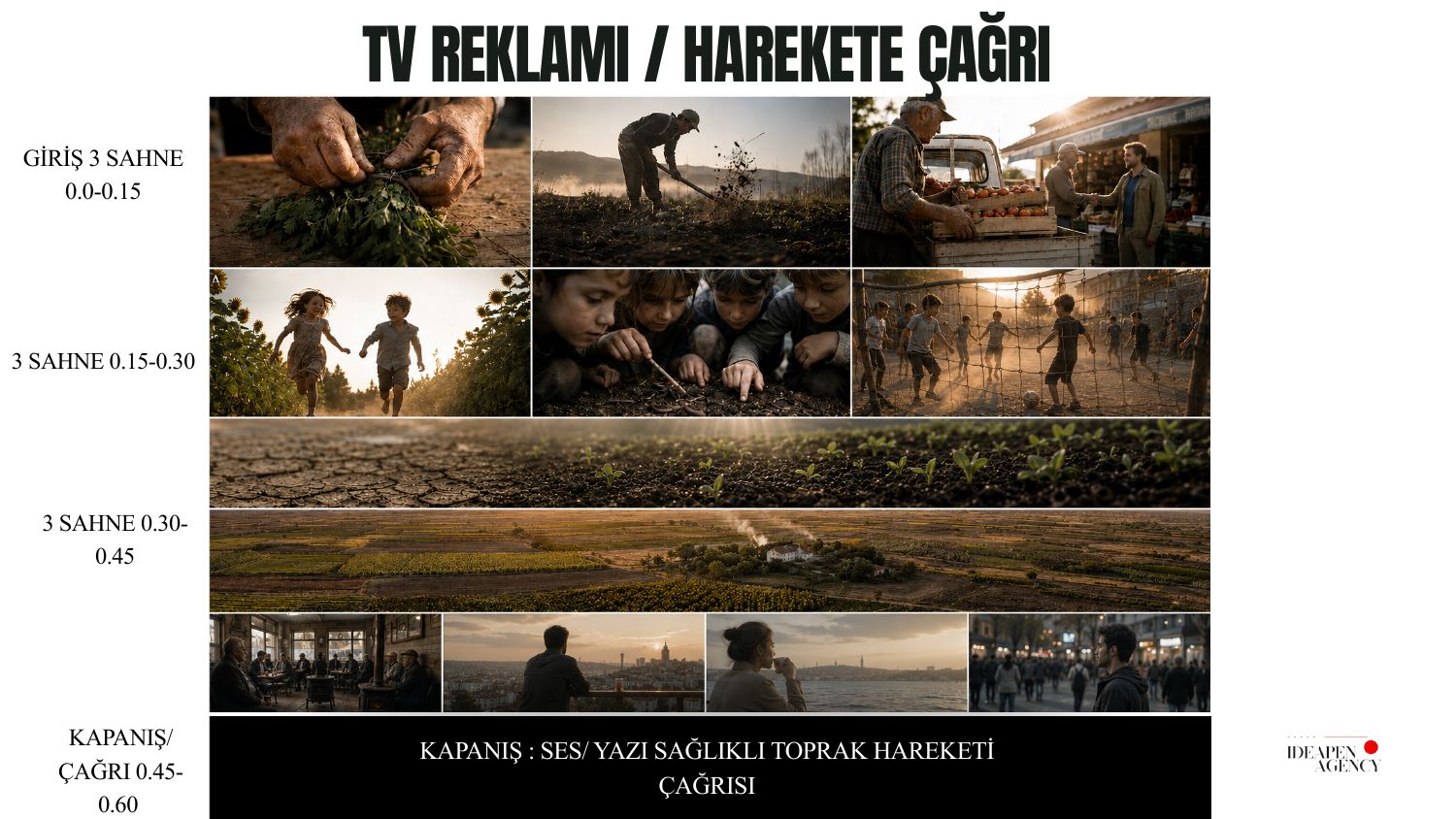
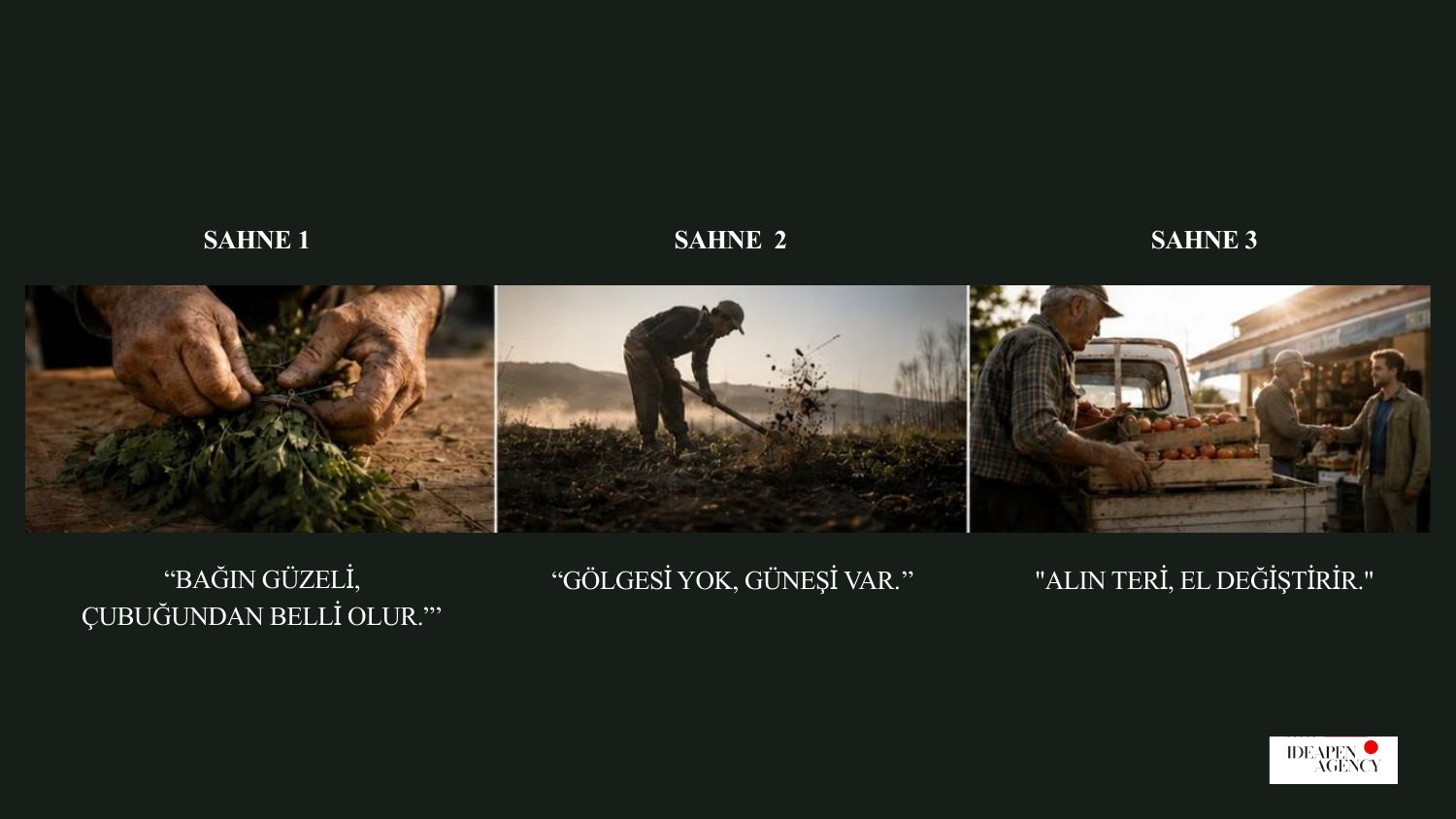
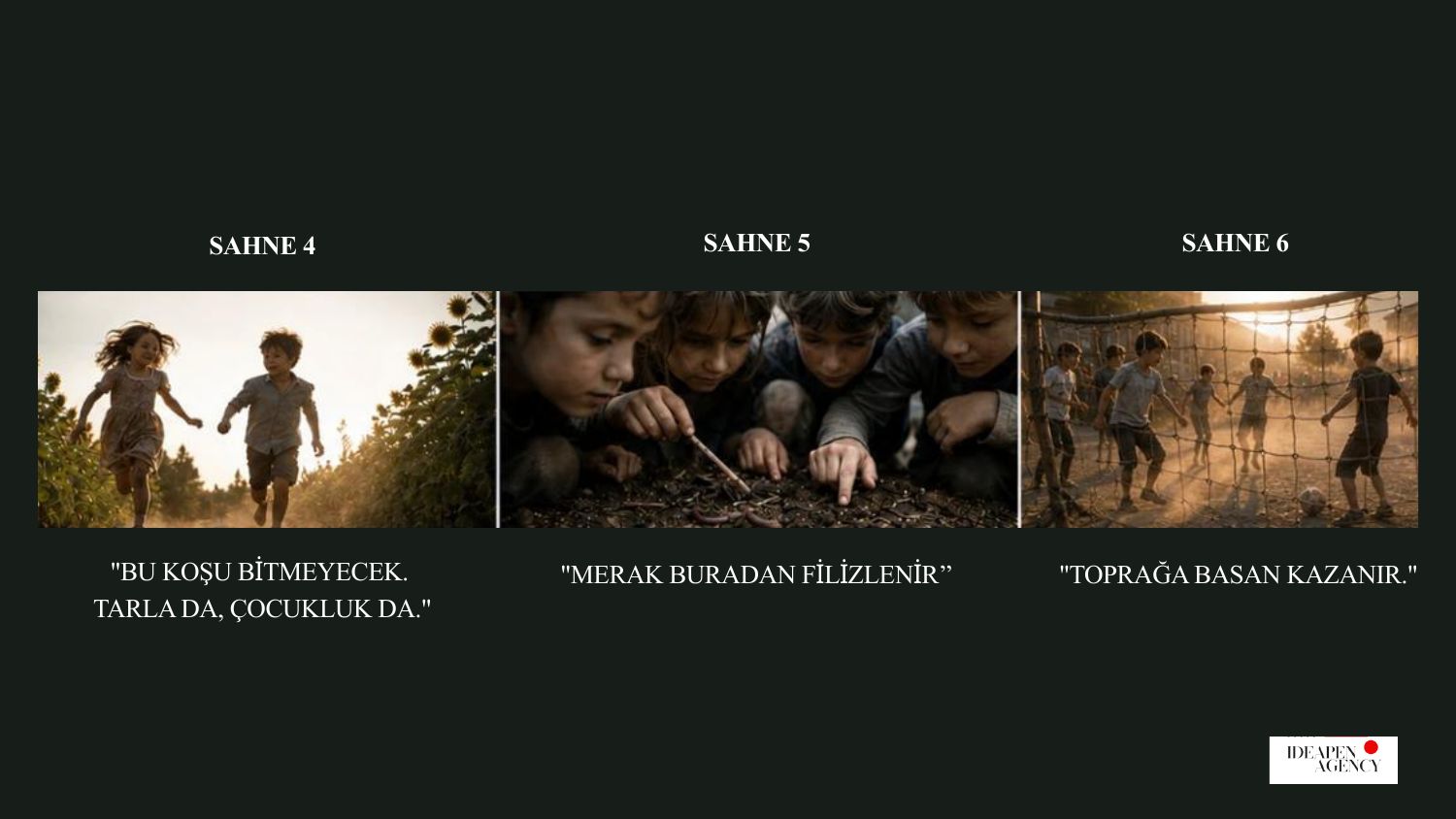
The movement became a 12-scene TV film. At the close, Şener Şen's voice invites everyone to become part of the Healthy Soil Movement.
▶ tv_akis.jpg
▶ sahne_1_3.jpg
▶ sahne_4_6.jpg
gathering and digital
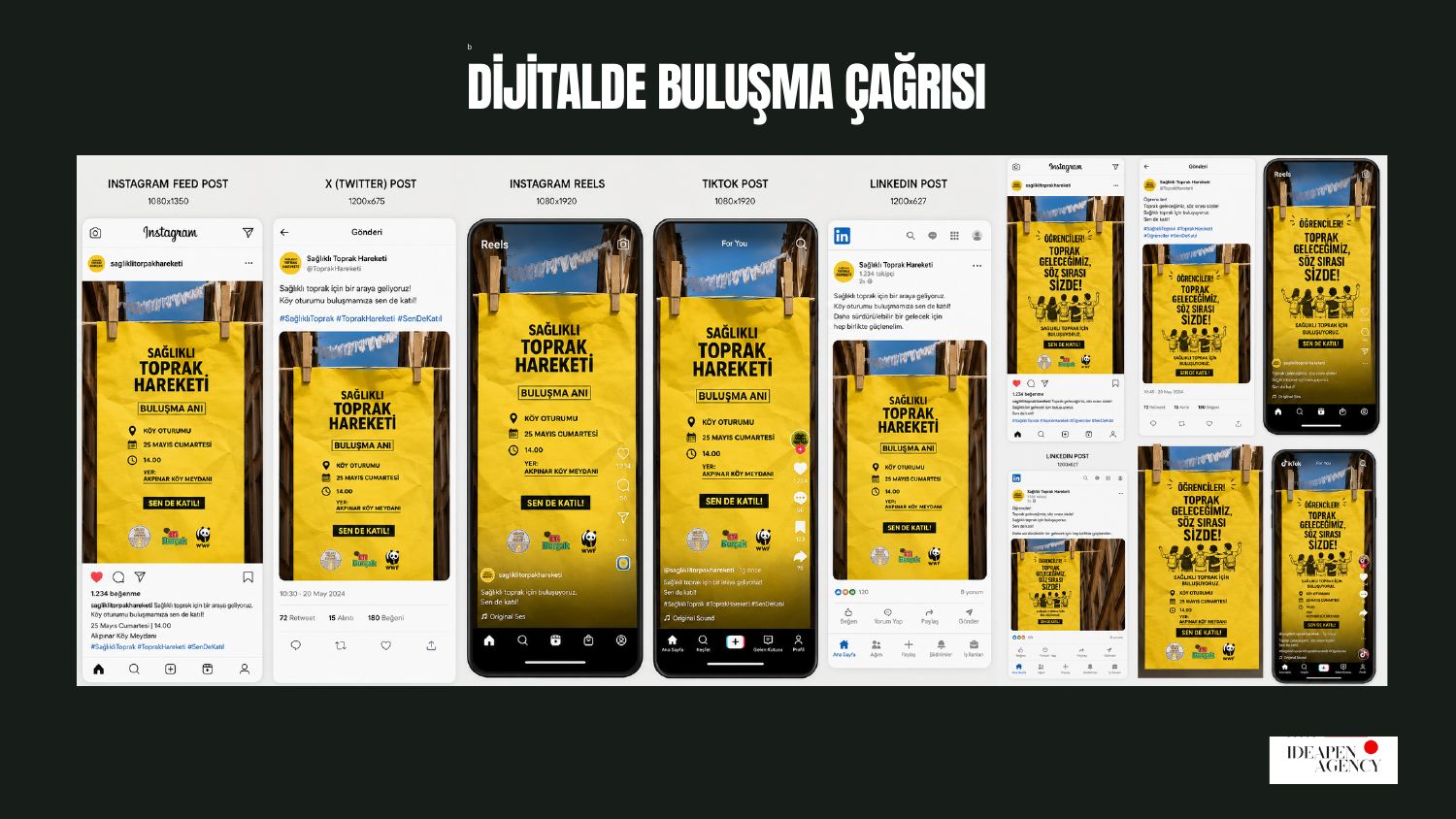
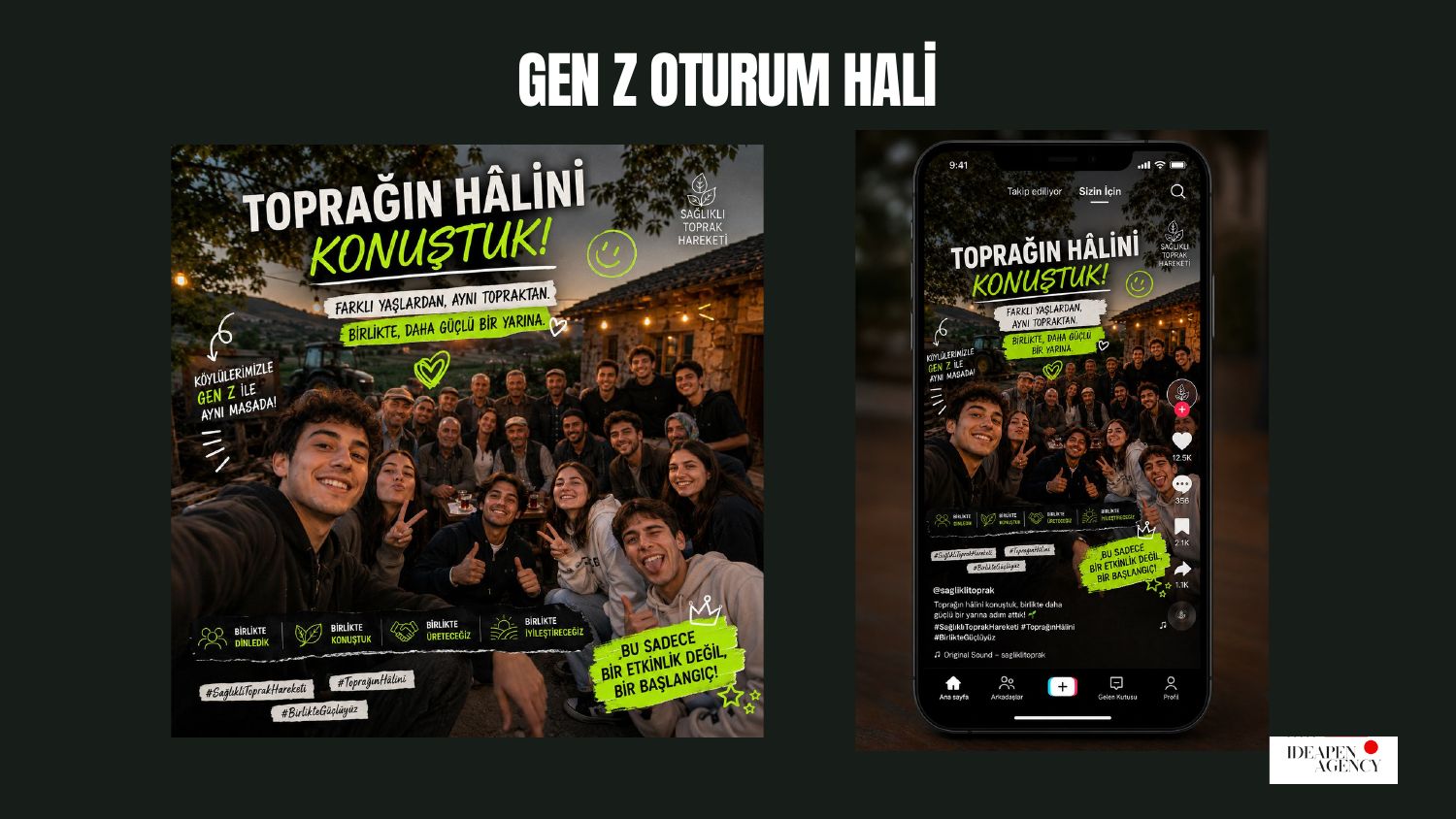
The papers are discussed at an open session in the village, livestreamed, and carried into digital with #TOPRAKHALİMİZ. The impact is not in big accounts, but in real voices.
▶ dijital_cagri.jpg
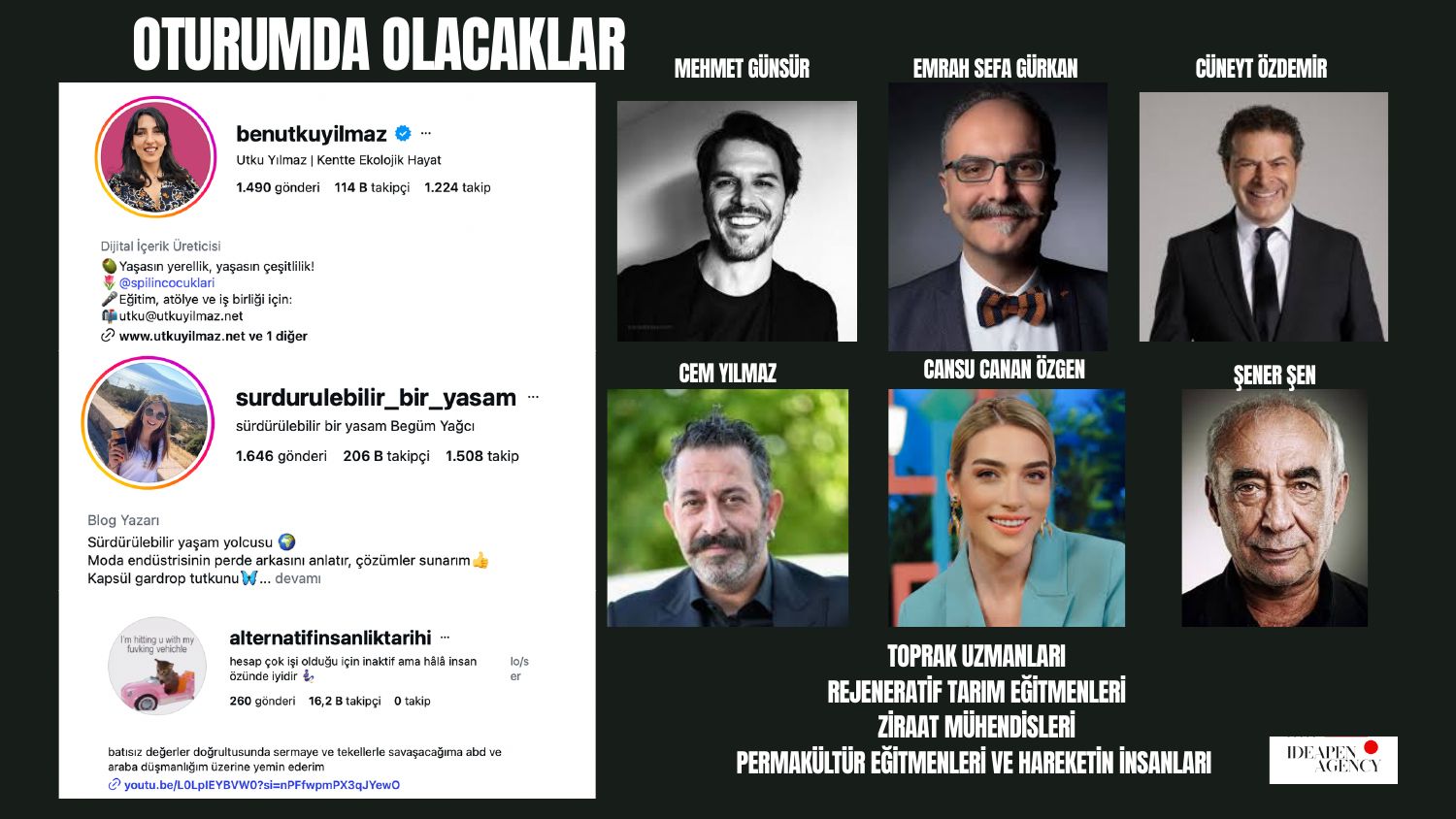
▶ oturum_konuklari.jpg
▶ gen_z_oturum.jpg
✧ ETİ × WWF ✧ SUSTAINABILITY, BUT FUN ✧ REALITY IS SINCERITY ✧ LEGENDARY ✧
📺
On the internship!<3
BREAKING
NTV, Star TV Ankara — July/August 2024.
I love the news world, so I wanted to do internships in this field. Experiencing life as a reporter was one of my dreams. A lot of tripods and cameras were carried.
▶ ntv_roportaj.mp4
▶ reels_klip.mp4
📰
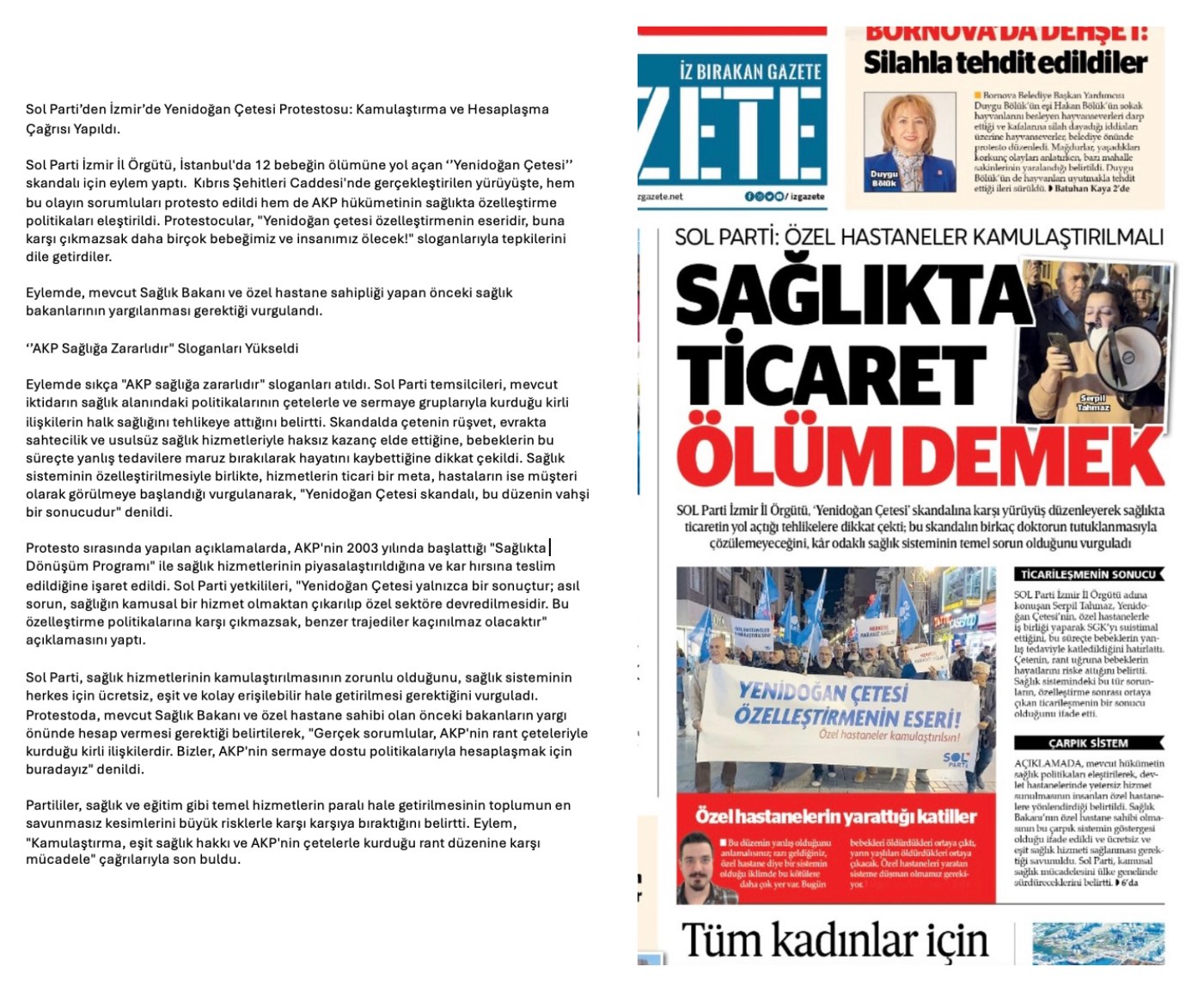
🌐 izgazete.net/haber
✈️
Ministry of Transport and Infrastructure
Press and Public Relations Internship, Ankara — 2025
🐦 @UABakanligi
🇹🇷 Back-to-Back Records in Turkish Airspace! 🏆
✈️ On the record day, a flight took place every 13.6 seconds!
#TurkeyIsAccelerating 🇹🇷
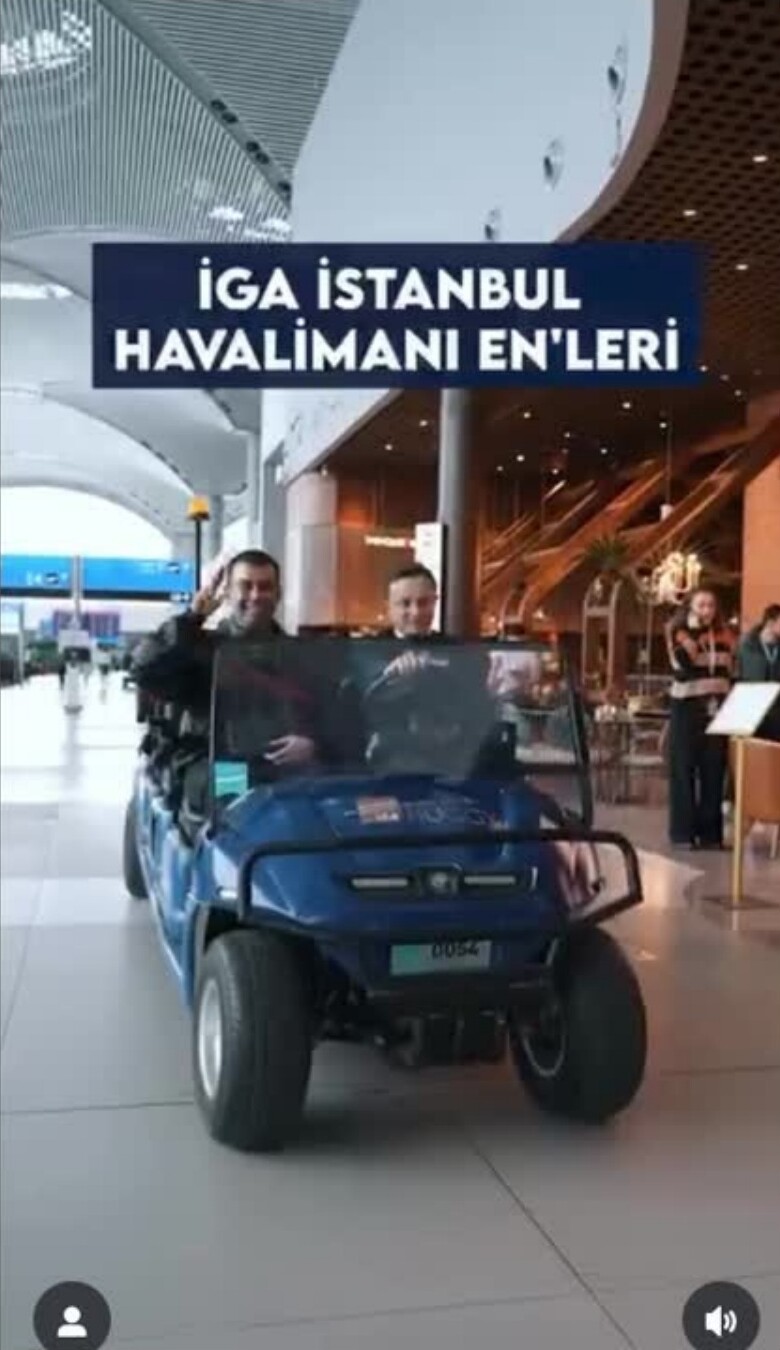
▶ iga_havalimani_enleri.jpg
GOAL: Introduce the Ministry's giant projects to a young audience in fast formats
TARGET AUDIENCE: Ages 16–35, students, transport enthusiasts
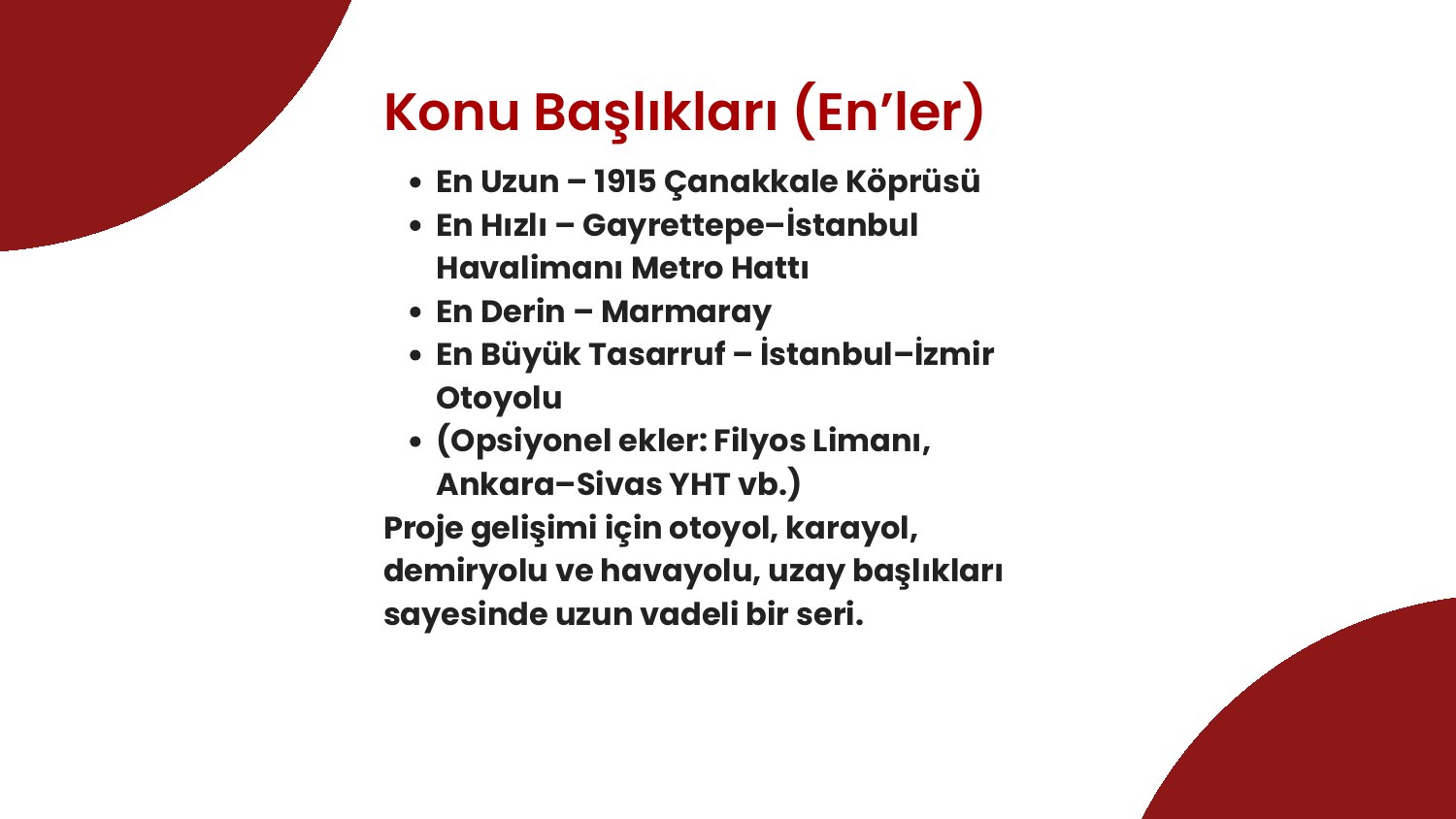
Records That Carry Turkey: a long-running "Most" series that tells the Ministry's giant projects in 60-second bite-sized videos. Longest: 1915 Çanakkale Bridge. Fastest: Gayrettepe–Istanbul Airport Metro Line. Deepest: Marmaray. Biggest Savings: Istanbul–Izmir Motorway.
▶ konu_basliklari.jpg
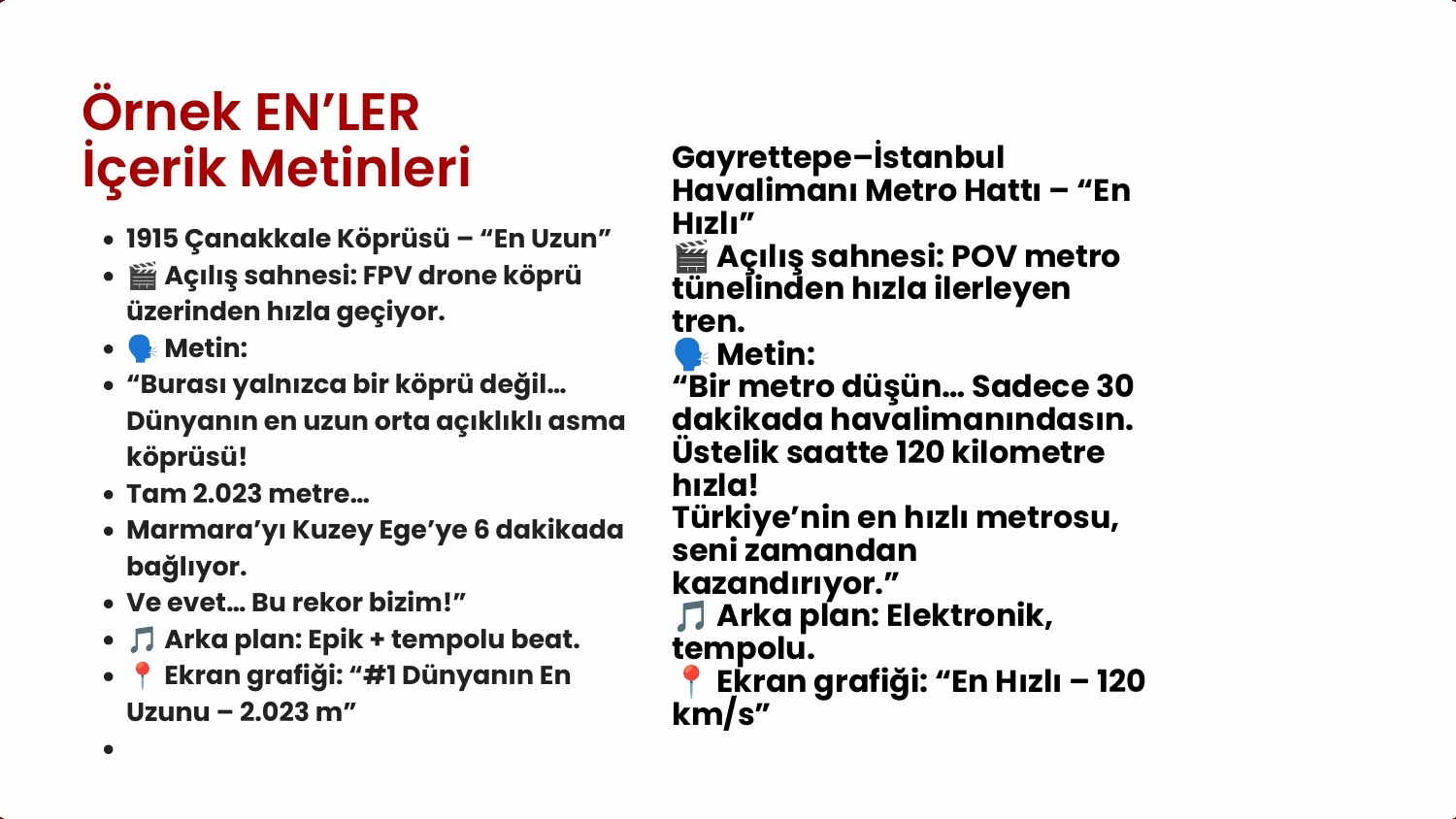
▶ ornek_icerik_metinleri.jpg
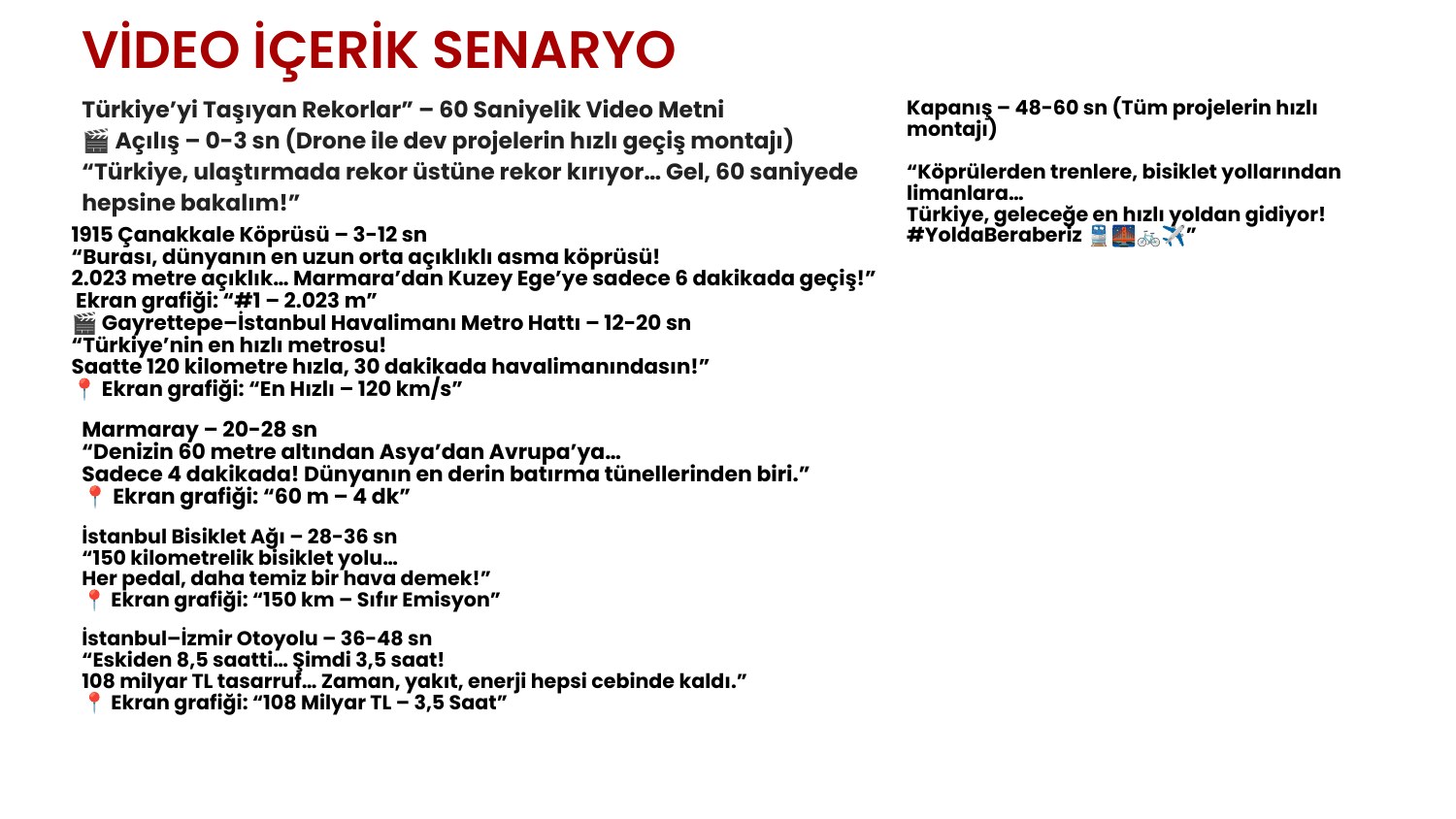
video script
Each episode opens with a number: a drone pass over the bridge, a POV accelerating through a metro tunnel, an animation descending under the sea. One graphic on screen, one record: "#1 World's Longest – 2,023 m".
▶ 60sn_video_senaryo.jpg
Social media project: Duru Beste Saka. Editing: Selin Sude Üvez, Berre Aşık.
✧ MINISTRY OF TRANSPORT AND INFRASTRUCTURE ✧ A FLIGHT EVERY 13.6 SECONDS ✧ TURKEY IS ACCELERATING ✧ ANKARA INTERNSHIP ✧
🤝THANK YOU
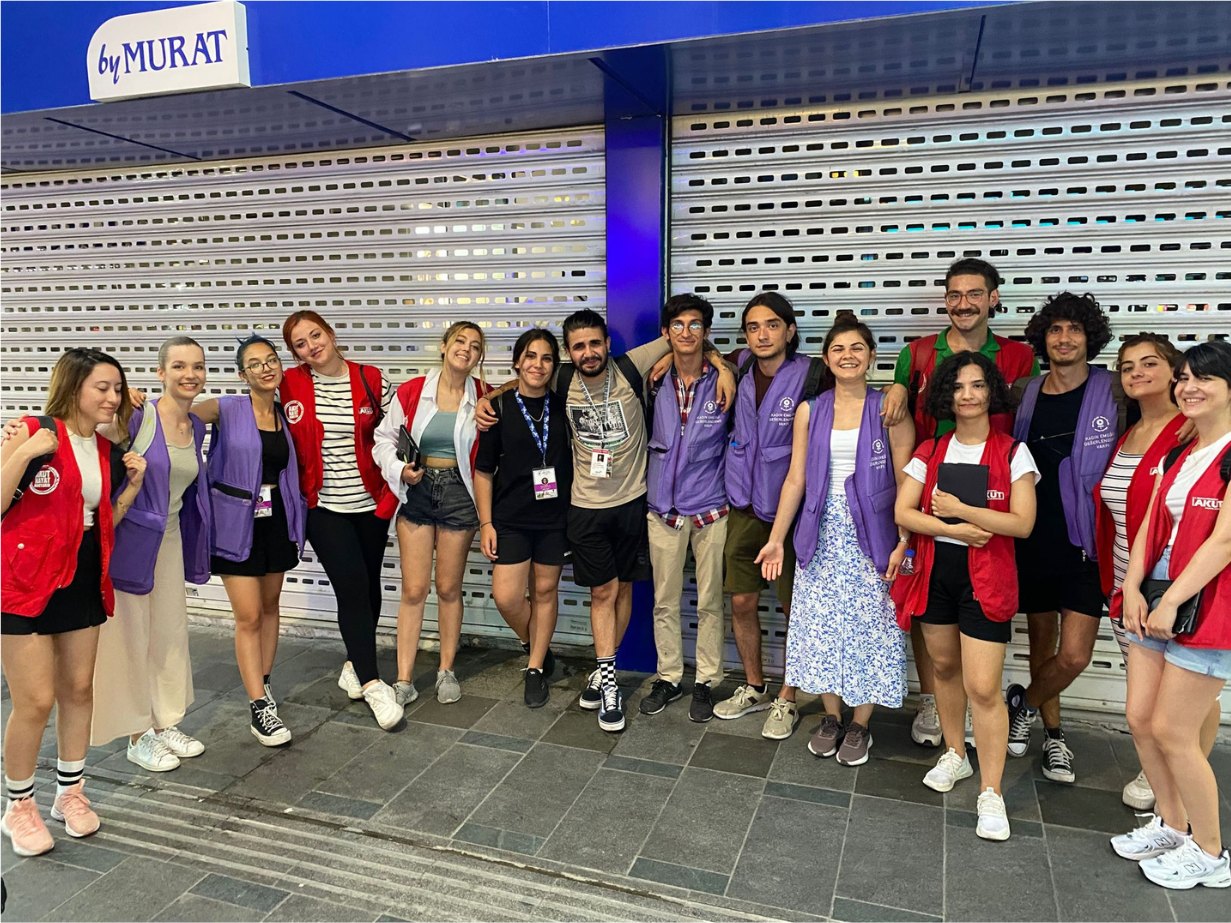
Volunteering — KEDV
Foundation for the Evaluation of Women's Labor — Pikan Agency Izmir, 2023
fundraising team ✧
I am an active volunteer at KEDV, whom I met through a fundraising project.
OBSESSED
📸ROLL 01
SMENA SYMBOL 35MM
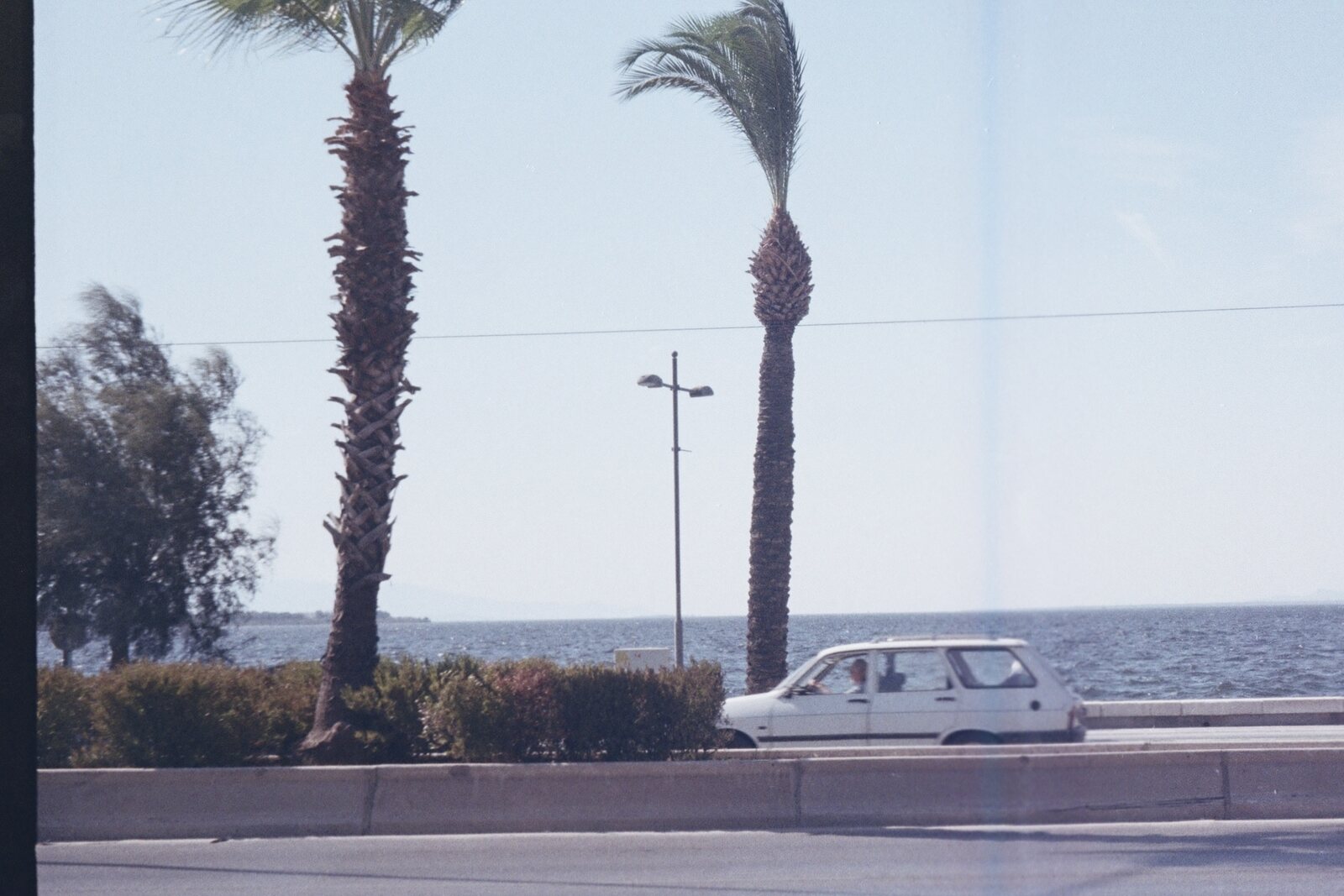
roll_01 — OCT.24 — my analog shots.
roll_01 — kare 01roll_01 — kare 02roll_01 — kare 03roll_01 — kare 04roll_01 — kare 05roll_01 — kare 06
⚠ PAGE STILL UNDER CONSTRUCTION ⚠
404: perfection not found — and it wasn't being looked for anyway.
Collecting a big archive here rather than in my brain.
I like to collect creative works.
It’s like trying to understand myself through what I’m drawn to: a lifelong scavenger hunt for meaning. I’ve always loved the esoteric, the raw, the ones that don’t beg to be liked. Sometimes it’s a book, a note, a piece of video art. Sometimes it’s just a line that stays with me longer than I expected.
While reading, I realized I wanted to build my own space: a mass of inspiration collected from people doing deeply human things. This page is about that: inspiration, perspective, and the art that crawls under your skin.
For my first piece, İpek Duben felt like the only right choice, a voice that’s both political and painfully intimate.
İpek Duben
İpek Duben is an installation, painting, sculpture, and video artist whose work moves through the crossroads of politics, sociology, and art. Every piece she makes carries a pulse: sharp, critical, emotional.
Since 1994, she’s been creating artist’s books: raw, experimental pieces that explore identity, domestic violence, and migration. Many expand into installations woven with sound, light, and moving image.
There’s something magnetic about how Duben uses form as protest, turning silence, fabric, and even walking into acts of resistance.
ŞERİFE #6-7-8, 1981
Who is Şerife? “… a house cleaner from an Anatolian village, abandoned by her husband, migrated to İstanbul for her son’s education.”
I love Şerife because it’s not just a painting, it’s a quiet kind of revolution.
In Duben’s hands, Şerife becomes a symbol of unseen labor: women who clean, feed, and hold up the world while being erased from it. The soft pink dresses in the painting breathe without bodies; they carry exhaustion, care, and survival. Every fold feels like a memory. Every seam, a prayer.
Women like Şerife, doing domestic work, are rarely called by their names, just “the woman.” Duben refuses that anonymity.
She once said, “Her absence was her signature; the dress was a metaphor for the average lower-class Turkish woman and came to represent all women denied their rightful place in society.”
Şerife isn’t about presence, it’s about absence, about how even emptiness can scream when painted truthfully.
Follow the Arrow
Site specific installation, Tünel/Beyoğlu, Istanbul. 347 painted metal arrows lead pedestrians to art venues in Tünel and Asmalımescit neighborhood. Every yellow arrow points to movement, migration, and the quiet politics of public space.
Follow the Arrow turns a walk through Beyoğlu into something more than movement: an awakening. Duben’s yellow arrows guide us through streets and cafés, tracing the invisible routes of women, workers, and outsiders. Each arrow is both a question and a direction, a quiet reminder that even walking can be political.
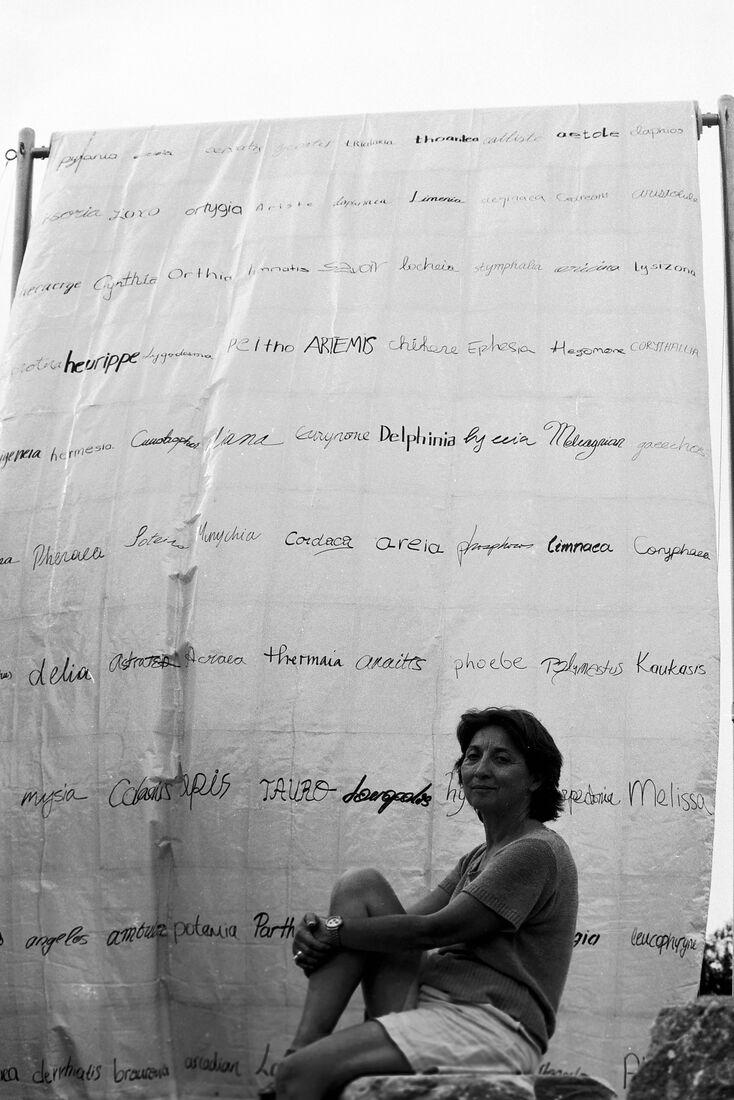
Artemis II, Ephesus: The Imagination of History, Ephesus, 1995
Artemis, Ephesus, 1995
In Manuscript 1994, Duben begins with her own photographs, layering them with mixed materials, offset printing, and digital interventions to question what identity really means.
A year later, she reimagines one of these images in Artemis (I.n, 1995), created in Ephesus for the Imaginary History exhibition. Through it, she reflects on how women have always been framed: both worshipped as goddesses and sacrificed as victims. The duality is timeless, brutal, and still alive today.
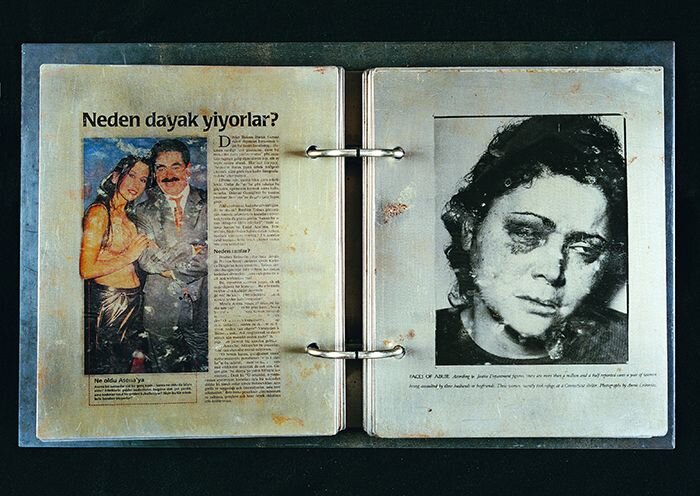
LoveBook (detail)
LoveBook, detail
LoveBook hits like a bruise that never fully heals.
Here, Duben collages tabloid headlines, bruised faces, and fragments of women’s stories; the kind of images we’re trained to look away from. “Why are they beaten?” one page asks. But the question isn’t seeking an answer, it’s holding a mirror.
Duben doesn’t document violence; she indicts the culture that normalizes it. The glossy magazine photo beside the battered face says it all: how easily glamour and pain coexist in the same visual frame.
LoveBook isn’t about victims. It’s about the systems that keep producing them and the silence that follows.
İpek Duben makes art that doesn’t let you stay comfortable. Her work lives at the fault line between beauty and brutality, where fabric becomes testimony and walking becomes a protest. She’s not making art to decorate; she’s making art to witness.
And that’s why I love her, because she reminds me that empathy too can be a political act.